
NON-TOXIC SKINCARE AND CLEAN LIVING: A NEW YEAR GUIDE TO REDUCING TOXINS AT HOME WITH DANA GRINNELL

From The Scouted Life by the Scout Guide
We sat down with Dana Grinnell, owner of Park City’s Free Living Co., to talk about clean living as we look for simple ways to feel a little healthier in the new year. As the founder of Live Free, the first Made-Safe certified clean beauty line created for teens and young adults, Dana has become a trusted voice in removing toxins from both our homes and our daily routines. Her grounded approach is all about baby steps that make clean living feel doable, even for the busiest schedules.
Interview
TSG: Every January, there’s a renewed focus on living healthier, but the conversation still tends to revolve around diet and exercise. As we set intentions for the year ahead, how important is it to widen our definition of “healthy” to include the everyday toxins in our homes and the products we put on our skin?
DG: In my opinion, healthy living is all about balance. Balancing macronutrients in each meal, heavy workouts with recovery, productivity with sleep. Toxic chemicals and environmental hazards are certainly key contributors that can send our bodies out of balance, but because they are often “silent” influences, meaning they are not obvious, they are often overlooked.
It is not easy to correlate lip gloss with carcinogens that cause cancer, or laundry detergent with obesogens that cause weight gain. However, the fix for this form of balance within the body is among the easiest, and is as simple as some basic knowledge.
TSG: For someone new to toxin-free living, what’s the connection between the products we use on our skin and overall health, energy, and even hormone balance? Why does it matter as much as what we eat?
DG: Our skin is our largest organ, and while what we put in our mouth eventually can affect our skin, what we put on it immediately impacts it. In many cases, the ingredients are absorbed into our bloodstream, which can affect many of our organ systems.
Endocrine disruption is one of the key concerns with ingredients in many personal care items and it can affect so many systems in our bodies including our brain and nervous system, reproductive and hormone health, thyroid and metabolism, cardiovascular, and for developing humans (fetus through teen), it can affect brain development, behavior, reproductive organ development, and can increase lifetime hormone-related issues. The risks increase with small repeated exposures and can also be reduced by avoiding exposure and using products with non-disruptive ingredients.
TSG: What are the top ingredients you recommend omitting from beauty and personal care products, and why are they so problematic?
DG: Fragrance is the number one ingredient I recommend avoiding, and it is also one of the hardest for many to give up. Just ask a 16-year-old boy to ditch his cologne! The word fragrance (or parfum) is code for thousands of chemicals, and most synthetic fragrances will contain phthalates, which is what makes the scent smell strong and last a long time. Phthalates are a known endocrine disruptor, and should be avoided — which is easy to do by avoiding fragrance.
But don’t confuse fragrance with scent. Many lovely, clean products still have a scent, but the ingredient list will disclose what was used for the scent so you can ensure it is of natural origin. Preservatives and ingredients that give qualities like viscosity, foam, or color are other common ingredients that can pose risks.
Because there are over eighty-thousand ingredients that can be harmful, I recommend using an app like EWG Healthy Living or Yuka. Or shop at a trusted store like Free Living Co where someone has done the research for you.
TSG: Cleaning products often get overlooked. What hidden toxins do you see most often in household cleaners, and what impact can they have on our health over time?
DG: Household cleaners can also contain fragrance, so definitely watch out for that — even in clean brands you find at health food stores. The big watch-outs for heavier-duty cleaning agents are bleach and quaternary ammonia or “quats.” There is a lot of research on the harm those ingredients can cause to humans, including asthma, respiratory problems, and even DNA damage.
Before you buy a product, look for warning labels. Many disinfecting cleaners will contain warnings like “wear protective gloves and eyewear during use” and “wash surface with soap and water after use.” Most consumers do not read the warnings, or implement them.
If they contain those warnings, the ingredients are not safe for human exposure and should be avoided. There are more and more very safe and effective cleaning products on the market that do not put your health at risk, including ones that have EPA-approved disinfecting power, but can be used by even the most sensitive populations.
TSG: If someone wanted to do a simple “New Year detox” at their home, where should they start?
DG: I think it’s important to start with small, simple steps that you can live with and get your family behind. Rather than throwing away all of your personal care or cleaning items, commit to swapping for something slightly cleaner each time you use up a product.
Start by swapping items that you don’t have a strong emotional attachment to, like laundry detergent and dish soap. As you gain more experience and confidence in cleaner products, you may find yourself becoming more sensitive to harsh and harmful chemicals, making clean swaps easier.
While organic and natural are great starting points when buying products, they don’t necessarily mean the absence of toxic ingredients, so be careful with greenwashing and labels that look too good to be true.
DIY is a great thing to experiment with as well — there is a lot you can do with hot water, baking soda, vinegar, and lemon. For personal care, there are many luxurious items you can make yourself with natural salts, oils, and items you find in your pantry.
You can also experiment with the less-is-more approach. Do you need a dozen cleaning agents, or can you find a really great all-purpose cleaner and use it for everything?
TSG: What final piece of advice would you share with our readers who want to start detoxifying their beauty and cleaning routines?
DG: Start small — think of swaps you are willing to make today and make them as you use products up.
Lean on people who have already researched for you — whether it’s a store like Free Living Co or an app like Yuka, utilize the resources available to you to avoid the overwhelm.
Vote with what you buy! Companies are driven by their bottom line, and if consumer behavior starts to shift to cleaner, less toxic products, those companies will have to make changes to maintain their market share.
Give yourself grace! Rome wasn’t built in a day, and a completely non-toxic environment won’t happen overnight. Rest assured that small, simple swaps over time really do add up in a way that will be meaningful to your health!
To learn more about how to integrate clean living in your life, head to Free Living Co’s website and follow them on Instagram.
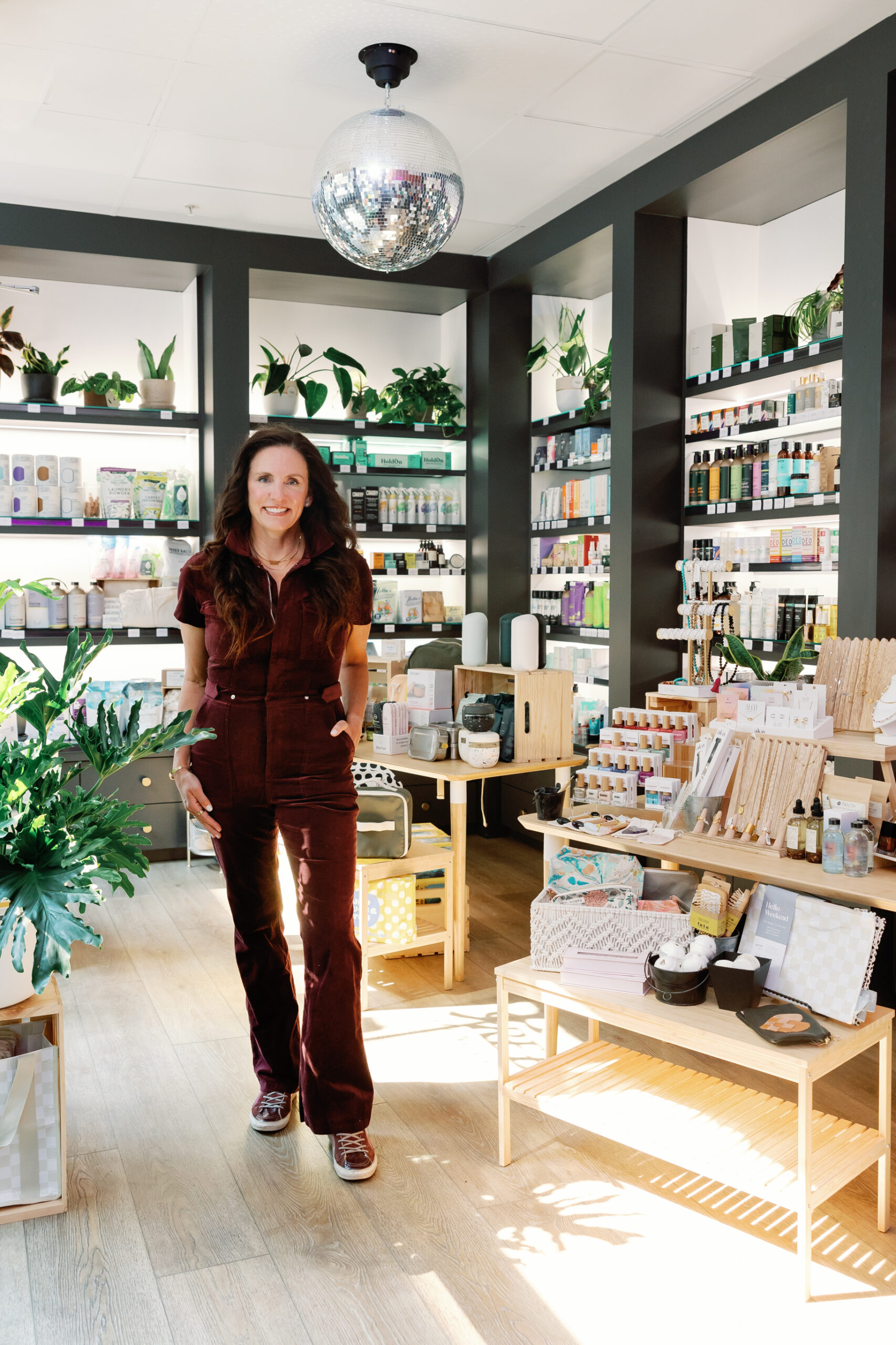 Dana Grinnell is the owner of Free Living Co.
See more of the Scout Guide’s Articles HERE
Frequently Asked Questions
What are the most common toxins in everyday home and personal care products?
The most common categories to be aware of include synthetic fragrance (which can hide dozens of undisclosed chemicals under a single label entry), parabens and phthalates (hormone-disrupting preservatives and plasticizers), VOCs in conventional cleaners and air fresheners, artificial dyes, and PFAS or “forever chemicals” used in some packaging and formulations. None of these are typically harmful in a single isolated exposure, but daily cumulative exposure across multiple products used by the whole family adds up significantly over time.
How do I start reducing toxins in my home without feeling overwhelmed?
The most practical approach is to start with your highest-use products — the ones you and your family use every day on the largest surface area. Daily body lotion, all-purpose cleaners, laundry detergent, and shampoo are all high-priority swaps because they are used frequently and in significant quantities. Replace products one at a time as they run out, rather than throwing everything away at once. Baby steps compounded over months create meaningful change without the overwhelm of trying to overhaul everything simultaneously.
How do toxins in skincare and home products actually affect the body?
Many synthetic chemicals found in conventional products are what researchers call “silent” influences — they do not cause immediate visible symptoms, which is why they are easy to overlook. Over time, certain ingredients like endocrine disruptors can interfere with hormone signaling, affecting metabolism, fertility, mood, and immune function. The connection between everyday products and health outcomes is not always obvious, which is exactly why awareness is the first and most important step in reducing exposure.
What does Dana Grinnell recommend for someone just starting their clean living journey?
Dana Grinnell’s approach is rooted in balance rather than perfection. She recommends starting with awareness — learning to read ingredient labels and identifying a few key red flags — rather than trying to achieve a zero-toxin home overnight. The goal is to reduce your overall toxic load over time through intentional swaps, not to create anxiety about every product you use. Clean living is most sustainable when it feels empowering and doable, not restrictive or extreme.
Is it possible to live cleanly on a budget?
Yes — clean living does not require buying premium products across every category at once. Many of the highest-impact changes are also among the most affordable: switching to fragrance-free cleaning products, choosing unscented laundry detergent, opening windows for ventilation, and opting for simpler products with shorter ingredient lists. The clean living movement has also made significant progress in terms of price accessibility, with more brands now offering effective, vetted products at competitive price points.
How clean is clean?
Read the exact process behind every product we sell.
Read more →
The marketplace for skin-healthy living — clean skincare, beauty, supplements, home care & wellness. Live free.
1476 Newpark Blvd, Ste 100
Park City, UT 84098
Open Mon–Sat 10am–5pm