
EWG, MADE SAFE, USDA Organic: The Clean Beauty Certifications, Decoded

EWG Verified screens a product against a banned-ingredient list and a transparency standard. MADE SAFE certifies the entire formula against multiple human-health hazard categories — carcinogens, endocrine disruptors, neurotoxins, and more — including how the ingredients were sourced and processed and what happens to our terrestrial and aquatic life when the ingredient goes down the drain. USDA Organic only addresses agricultural ingredients and says nothing about synthetic chemistry elsewhere in the formula. Of the three, MADE SAFE is the most rigorous standard for a finished personal-care product, and the only one that looks at the whole bottle, not a slice of it.
Having peeked behind the curtain of consumer product manufacturing it became more clear than ever that certifications are essential to a consumer's ability to trust brands and know that what is in the product is actually safe. That being said different certifications mean different things and some have more rigid standards than others.
Certifications are doing the real work, but each one is drawing a different line, and "certified" doesn't mean "certified by what you think." If you don't know which one screens for which thing, the seals start to feel interchangeable. They aren't. One of these is essentially a banned-list filter. One is a whole-formula audit. One has almost nothing to do with what's actually in your shampoo. Knowing the difference is the entire game.
What each certification actually screens for
Here is the side-by-side comparison for 3 of the key certifications in consumer products, I recommend keeping it on your phone so you don't have to think about it as you stare at the shelf:
| Certification | What it screens | What it ignores | Best used for |
|---|---|---|---|
| EWG Verified | Bans a defined list of ingredients (parabens, certain phthalates, formaldehyde donors, etc.); requires full ingredient disclosure | Doesn't audit sourcing, processing residues, or non-banned hazards | A fast "did they at least clear the obvious red flags" check |
| MADE SAFE | Audits every ingredient — including process aids and contaminants — against carcinogens, endocrine disruptors, neurotoxins, reproductive toxicants, heavy metals, behavioral toxicants, flame retardants, and more | Doesn't certify organic agricultural status | The whole-product, all-ingredients-in standard |
| USDA Organic | Certifies the agricultural inputs (plant, animal-derived) meet organic farming standards | Says nothing about synthetic chemistry, preservatives, fragrance, or non-agricultural inputs in the rest of the formula | Botanical ingredients and food-adjacent products |
The MADE SAFE column is the longest on purpose. That's not me being a fan — it's because MADE SAFE is the only one of the three that audits the entire formula against multiple categories of human-health hazard. The other two screen for narrower things and stop there.
EWG Verified: a banned-list filter, not a full audit
The Environmental Working Group is a non-profit that built Skin Deep — the database that lets you look up an ingredient and see a hazard score from 1 to 10. EWG Verified is a separate program where a brand voluntarily submits a product and EWG checks the formula against their banned list and their disclosure rules.
What that means in practice: an EWG Verified product cannot contain parabens, phthalates, formaldehyde-releasing preservatives, certain sulfates, or about 100 other ingredients on the list. The brand also has to fully disclose its ingredients — no hiding behind the fragrance loophole. (If you missed why that loophole matters, the word "fragrance" hides 3,000-plus ingredients is worth the four-minute read.)
What EWG Verified is not doing: it isn't auditing the manufacturing process for contaminant residues. It isn't looking at whether a particular surfactant came from a heavily-processed petrochemical pathway. It's a list-based filter. If your ingredients aren't on the no-list and you've disclosed everything, you can pass. That's useful — it's also not the whole picture.
For the average shopper trying to clear the lowest-hanging fruit (the parabens, the phthalates, the synthetic fragrance), EWG Verified is a solid first signal. It is a floor, not a ceiling.
MADE SAFE: the whole-formula audit
MADE SAFE certification — Made With Safe Ingredients™ — is run by the non-profit Nontoxic Certified. It's the only certification on the U.S. market that screens the entire formula of a finished consumer product against a master list of known and suspected human-health hazards. They look at ingredients, process aids, contaminants, byproducts, and the supply chain behind the bottle.
The hazard categories MADE SAFE screens against include:
- Carcinogens
- Endocrine disruptors (the hormone story we'll dig into later this week)
- Reproductive and developmental toxicants
- Neurotoxins
- Heavy metals
- Flame retardants and persistent organic pollutants
- High-risk pesticides
- Behavioral toxicants
That last one is part of what makes the standard unusual — they care not just about whether an ingredient is banned somewhere, but about whether the cumulative weight of evidence suggests it's interfering with human biology. A MADE SAFE certified product cannot contain any ingredient or process residue that falls into one of those categories above the threshold. The brand also has to submit its full supply chain for audit, not just its INCI list.
This is why fewer products carry the MADE SAFE seal than the EWG one — it's a higher and slower bar to clear. When you see MADE SAFE on a bottle, you are looking at something that has been audited as a finished product against a stricter standard than anything else in the certification market. It's the seal I trust most on a personal-care bottle, and it's the one we look for when we're vetting products for the Free Living Co shelves.
USDA Organic: a different lane entirely
USDA Organic was built for food. It's an agricultural-input certification — it tells you that the plants and animal-derived ingredients in the formula were grown or raised to organic standards. That's a real and meaningful thing. It's also not what most people think it means when they see it on a body wash.
A USDA Organic certified personal-care product comes in three tiers:
- "100% Organic" — every agricultural ingredient is certified organic. (Almost nothing personal-care meets this.)
- "Organic" — at least 95% of agricultural ingredients are certified organic.
- "Made with Organic Ingredients" — at least 70% of agricultural ingredients are certified organic. (You'll see this most often.)
What USDA Organic does not address: the synthetic preservatives, the synthetic surfactants, the synthetic fragrance, or anything that isn't an agricultural input. A body wash can be labeled "Made with Organic Ingredients" and still contain phthalates in its undisclosed fragrance compound. The agricultural inputs are certified — everything else is not in scope.
So when you see USDA Organic on skincare, the right read is: the plant-derived ingredients are organic. Whether the rest of the formula is non-toxic is a separate question that USDA Organic doesn't answer. You pair it with one of the other seals, or you read the INCI.
How to use this at the shelf
If you only have 15 seconds and one bottle in your hand, here is the order I run them in:
First, look for MADE SAFE. If it's there, you're done with the certification check — the whole formula has been audited. Move on to the price tag.
Second, look for EWG Verified. If MADE SAFE isn't there but EWG is, you've cleared the major banned-ingredient list and you have full ingredient disclosure. Quick read of the INCI for anything not on EWG's specific no-list (some surfactants, some preservatives) and you're in good shape.
Third, USDA Organic alone is a partial signal. Pair it with a closer read of the non-agricultural portion of the formula, or with one of the other two seals.
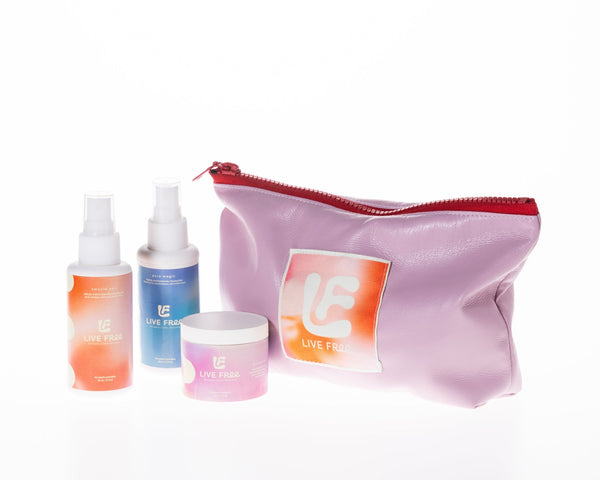
And — this is the one most people miss — no seal at all doesn't automatically mean a bad product. Certification costs money and small clean brands sometimes skip it. The label on the back is the source of truth. The seals on the front are a shortcut that helps when you're triaging fast. Browse our clean beauty starter kit collection if you want products we've already vetted against this whole framework — most carry MADE SAFE or EWG, and the ones that don't have an INCI we'd stand on regardless.
We covered the Sephora tween skincare cart earlier this week — same logic applies. A seal on the front is a hint. The ingredient list on the back is the answer.
Live Free, Dana Grinnell Founder of Free Living Co & Live Free Skincare
FAQ
What does MADE SAFE certification mean?
MADE SAFE certification means a finished product has been audited against a master list of known and suspected human-health hazards — including carcinogens, endocrine disruptors, neurotoxins, reproductive toxicants, heavy metals, flame retardants, and behavioral toxicants — across the whole formula and its supply chain. Unlike most clean beauty seals, MADE SAFE looks at process residues and contaminants, not just the INCI list. It is currently the most rigorous third-party certification available for U.S. personal-care products.
Is EWG Verified actually trustworthy?
Yes, with one caveat. EWG Verified is a banned-list certification — it confirms that a product doesn't contain ingredients on EWG's defined no-list (parabens, phthalates, formaldehyde donors, certain sulfates) and that the brand has fully disclosed its ingredients with no fragrance loophole. That's useful and real. What it doesn't do is audit the entire formula for every category of human-health hazard. It's a credible floor, not a full whole-product audit, and works best paired with a closer INCI read.
What does USDA Organic mean for skincare?
USDA Organic on a personal-care product certifies the agricultural ingredients — the plants, oils, and animal-derived inputs — to organic farming standards. It comes in tiers: 100% Organic, Organic (95% agricultural inputs), and Made with Organic Ingredients (70%). What it does not address is the synthetic chemistry in the rest of the formula — preservatives, surfactants, fragrance, or non-agricultural inputs. A USDA Organic body wash can still contain phthalates in an undisclosed fragrance. It's a meaningful but narrow seal.
Are clean beauty certifications regulated by the FDA?
No. The FDA does not regulate any of the clean beauty certifications mentioned here. The U.S. cosmetic industry is largely self-regulated, and terms like "clean," "natural," "non-toxic," and "green" have no FDA-defined meaning. EWG Verified, MADE SAFE, and USDA Organic are all run by independent organizations — EWG and Nontoxic Certified are non-profits, USDA Organic is a federal agricultural program — and each sets its own standard. That is part of why understanding what each certification covers actually matters.
Which clean beauty certification is the strictest?
MADE SAFE is the strictest clean beauty certification currently available for personal-care products in the U.S. It audits the entire formula — every ingredient, process aid, and contaminant — against a master list of carcinogens, endocrine disruptors, neurotoxins, reproductive toxicants, heavy metals, and other human-health hazards. EWG Verified is a defined banned-list standard with required ingredient disclosure, which is meaningful but narrower. USDA Organic is the narrowest of the three for skincare because it only addresses agricultural inputs.
Shop the article
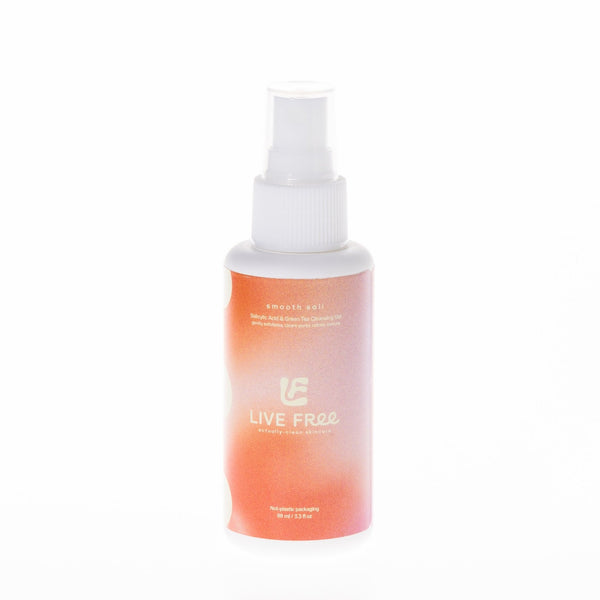
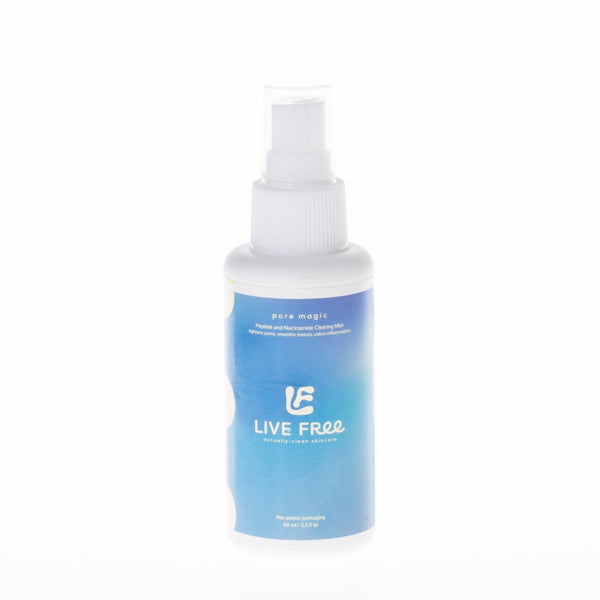
Products mentioned in this story — each one clears our standard.



How clean is clean?
Read the exact process behind every product we sell.
Read more →
The marketplace for skin-healthy living — clean skincare, beauty, supplements, home care & wellness. Live free.
1476 Newpark Blvd, Ste 100
Park City, UT 84098
Open Mon–Sat 10am–5pm