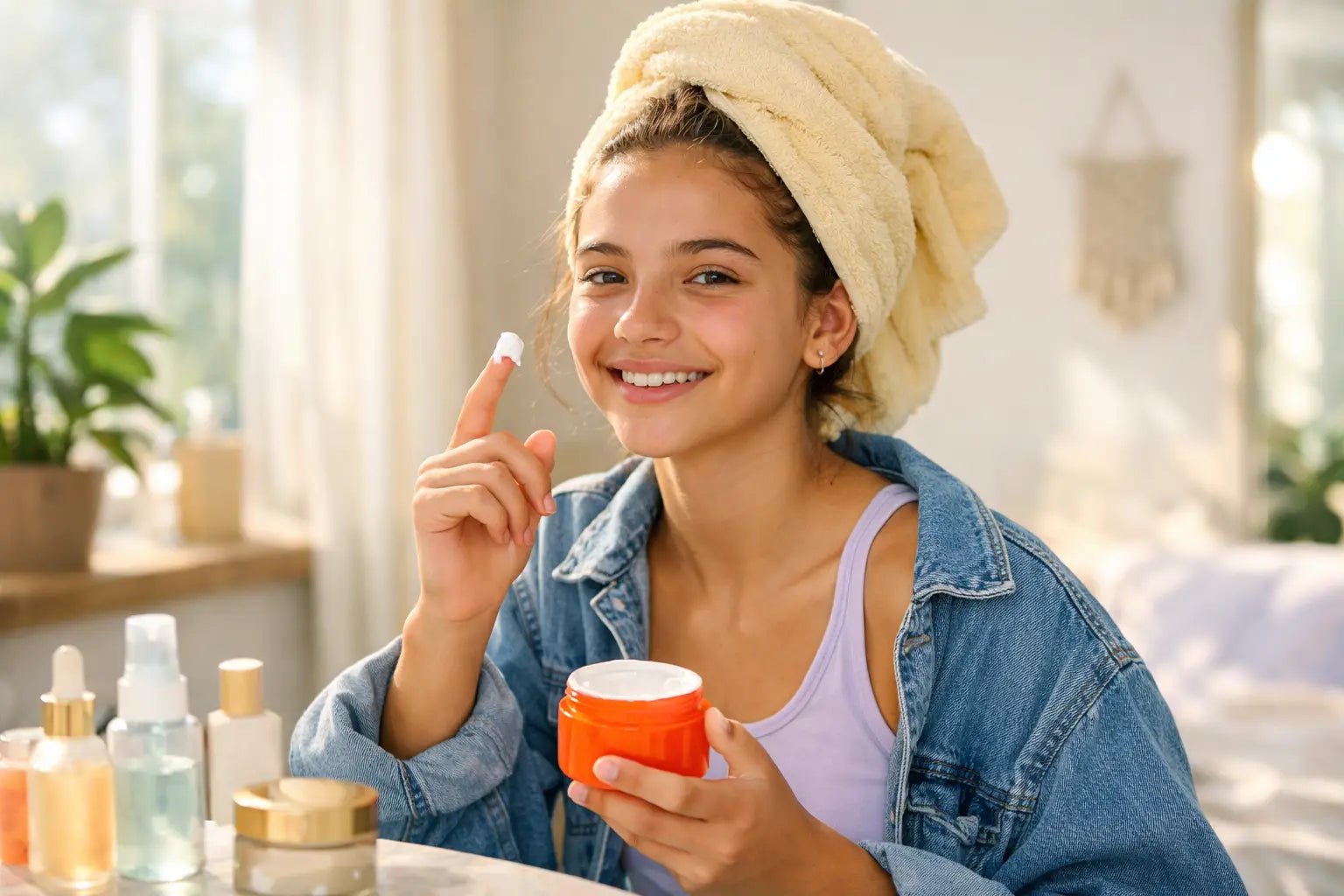
Teen Skincare Trends 2026 That Are Worth Following
A 12-step routine in a middle school bathroom is not a sign that skin care is working. It is usually a sign that someone has been sold a lot of steps. The most encouraging teen skincare trends 2026 are moving in the other direction: less product layering, more respect for young skin, and a clearer understanding that consistency beats whatever happens to be viral this week.
For parents, teens, and anyone shopping for a young person with changing skin, this shift matters. Puberty can bring oiliness, clogged pores, breakouts, sensitivity, and a sudden interest in beauty products - often all at once. The goal is not to create a perfect complexion or turn skin care into a source of pressure. It is to build a simple, supportive routine that helps skin do its job.
Teen skincare trends 2026: a return to the basics
The strongest trend is not a buzzy ingredient. It is restraint. Teens are becoming more aware that irritation, tightness, and redness are not proof a product is “working.” A compromised moisture barrier can make blemish-prone skin feel even harder to manage, leading to the familiar cycle of scrubbing, drying, peeling, and more breakouts.
A thoughtful routine starts with a gentle cleanser, a lightweight moisturizer, and daily broad-spectrum sunscreen. For a teen with active breakouts, one well-chosen treatment can be added slowly. That is enough for many people.
This approach is especially useful for sensitive skin, eczema-prone skin, or teens who have already experimented with strong acids and drying spot treatments. Oily skin still needs moisture. In fact, stripping it too aggressively can leave it looking shinier and feeling more reactive.
Barrier care is becoming a priority
Barrier-supportive products are having a well-earned moment. Look for formulas designed to cleanse without leaving skin squeaky, moisturizers that feel comfortable rather than heavy, and products with straightforward ingredient lists. Hydration is not just for dry skin. It supports balance across skin types.
The trade-off is that a barrier-focused product will not erase a breakout overnight. But it can make a routine more tolerable and sustainable, which is often the better long-term outcome. When skin feels calm, it is easier to tell whether a treatment is actually helping.
For teens who are nervous about moisturizer because they associate it with clogged pores, texture matters. A light gel-cream or lotion may feel more appealing than a rich balm. The right choice depends on skin type, climate, sports, makeup use, and how dry or oily skin feels after cleansing.
Blemish care is getting more targeted, not more aggressive
Acne remains one of the biggest reasons teens begin a skin care routine, and the 2026 shift is toward using fewer actives with more intention. Rather than combining exfoliating toner, scrub, peel pads, masks, and spot treatments, teens are learning to choose one starting point and give it time.
Salicylic acid can be useful for blackheads and congested pores. Benzoyl peroxide may help with inflammatory breakouts. Azelaic acid is another option that some people find helpful for blemishes and uneven-looking tone. None is automatically right for every teen, and using multiple strong treatments at once can lead to irritation.
Start with a lower-strength formula, use it a few times a week, and increase only if skin stays comfortable. A treatment should be applied as directed, followed by moisturizer when appropriate. If there is persistent, painful, cystic, or scarring acne, a dermatologist can offer more effective support than another round of trial-and-error products.
There is also a growing awareness that blemish care is not punishment. Skin does not need to be “attacked,” and teens do not need to feel embarrassed for having acne. That change in language is one of the most valuable trends of all.
The sunscreen conversation is more practical
Daily sunscreen is now part of teen skin care because it protects skin during real life: walks to school, outdoor practices, ski days, driving, lunch outside, and summer jobs. It also becomes more relevant when someone uses exfoliating or acne-focused ingredients that can make skin more sun-sensitive.
The best sunscreen is the one a teen will actually wear. That may mean a weightless lotion, a mineral formula that blends well, or a face sunscreen that does not sting around the eyes. For active days, water resistance matters. For deeper skin tones, minimizing a noticeable white cast may be the deciding factor. These are practical considerations, not vanity.
Encourage application in the morning and reapplication when spending extended time outdoors. Sunscreen does not need to turn into a lecture. It can simply be the final step before leaving the house.
Clean beauty is becoming more discerning
Teens and parents are asking better questions about what goes into personal care products, but “clean” should not mean anxious or confusing. A label alone cannot tell the full story, and a product does not need to be harshly fragranced, overly complicated, or packed with trend-driven actives to feel special.
A more useful standard is to choose products with ingredients and performance that make sense for young skin. Skip strong fragrance when skin is sensitive. Be cautious with essential oil-heavy formulas, abrasive physical scrubs, and high-powered products made for adult concerns such as deep wrinkles or intensive resurfacing. Patch testing a new product is a smart habit, particularly for reactive skin.
This is where careful curation makes a difference. Parents should not have to decode every viral recommendation or stand in an aisle comparing dozens of nearly identical bottles. Live Free Skincare is built around the idea that blemish-prone and sensitive skin deserves straightforward, considered care without adding more noise to the routine.
What is fading out in teen skin care
Some trends are still visible online, but they are losing credibility as teens and parents see the downside. Skin care experts are pushing back on routines that create irritation or turn normal skin changes into a problem to solve.
Four habits are particularly worth leaving behind:
- Using anti-aging products when there is no age-related concern to address
- Treating tingling, burning, or peeling as a desirable result
- Applying a new product every few days before the last one has had time to work
- Picking, squeezing, or aggressively scrubbing blemishes
A routine that fits a teen’s real life
The best teen routine is one that can be repeated on a rushed school morning and after a late practice. It should not require a shelf full of products or a complicated calendar. In the morning, cleanse if needed, moisturize, and apply sunscreen. At night, cleanse away sweat, sunscreen, and makeup, then moisturize. Add one targeted treatment on the schedule that makes sense for the product and the skin.
Makeup, sports, and seasonal weather can change what a teen needs. A dancer who wears stage makeup may benefit from paying close attention to gentle cleansing. A teen in a dry mountain climate may need more moisturizer than a friend in a humid area. Someone with very oily skin may prefer lighter textures. There is no prize for copying a routine that does not fit.
Parents can help by keeping the conversation calm. Ask what the teen wants support with: breakouts, dryness, makeup removal, confidence, or simply choosing safer everyday essentials. That opens the door to guidance without making skin care feel like another rule.
Let the routine grow with them
The most useful 2026 trend is the idea that skin care can be an act of steady self-care, not self-criticism. A simple routine teaches teens how to notice their skin, protect it from the sun, and respond to changes without panic.
Start small, choose products with purpose, and leave room for skin to be human. That is clean living for real life - and a far better foundation than any passing trend.


Leave a comment
This site is protected by hCaptcha and the hCaptcha Privacy Policy and Terms of Service apply.