
Healthy Home Swaps Checklist for Real Life
A healthier home rarely begins with a dramatic pantry purge or a cabinet full of replacements. It starts with the products you reach for without thinking: the spray under the sink, the soap beside the bathroom faucet, the candle lit after dinner. This healthy home swaps checklist helps you focus on the everyday choices that can make the biggest difference, without turning your home into a project.
The goal is not perfection. Labels can be confusing, budgets are real, and a product only helps if it works well enough that your household will actually use it. Start where exposure is frequent, where ingredients are more likely to touch skin or enter the air, and where a simple change can bring more peace of mind.
How to use this healthy home swaps checklist
Walk through one room at a time and choose one or two categories to replace as you run out. This approach keeps the process affordable and avoids waste. You do not need to toss a usable product because you learned something new today.
When comparing options, look beyond front-label language such as “natural,” “green,” or “plant-based.” Those terms are not a complete ingredient standard. Instead, favor products with clear ingredient disclosure, purposeful formulas, and fewer unnecessary additives. If you have allergies, asthma, eczema, or a baby at home, your priorities may look different from someone else’s - and that is okay.
Start with your highest-use products
Consider frequency first. A hand soap used by four people every day may deserve attention before the rarely used oven cleaner. The same is true for body lotion, laundry detergent, dish soap, deodorant, and all-purpose cleaner. Small, repeatable choices are the foundation of clean living for real life.
Kitchen swaps that earn their space
The kitchen is a natural place to begin because food prep, cleaning, and storage all happen in the same few square feet. Focus on items that come into contact with food, hands, and hot surfaces.
Choose a dish soap with transparent ingredients and a scent level your household can tolerate. Heavy fragrance can linger on dishes and hands, and unscented is often a smart option for sensitive skin. If you love a light scent, choose one that is clearly disclosed rather than relying on vague fragrance claims.
For food storage, replace damaged plastic containers first, especially those you regularly microwave or run through a hot dishwasher. Glass containers are durable and useful for leftovers, while stainless steel works well for lunches and dry goods. You do not have to eliminate every plastic item overnight. The practical move is to avoid heating food in worn plastic and use glass or stainless steel where it makes daily life easier.
Your kitchen checklist can also include a gentler all-purpose cleaner, reusable cleaning cloths, and a dish brush or sponge you can replace regularly. A cleaner does not need a harsh odor to be effective. For routine messes, a thoughtfully formulated product and a little dwell time often do more than an aggressive scent ever could.
Bathroom and personal care swaps
Bathroom counters hold some of the most frequently used products in the home. Because these formulas are applied directly to skin, lips, hair, and teeth, this category is worth a closer look.
Start with hand soap, body wash, lotion, shampoo, conditioner, deodorant, and toothpaste. If you use products with a long ingredient list, do not assume every unfamiliar word is a problem. What matters is whether the brand clearly explains its formula and avoids ingredients you have decided not to bring into your routine.
Fragrance deserves special consideration here. “Fragrance” can represent a blend of ingredients that is not fully disclosed on a label. For people with reactive skin, headaches, or sensitivities, fragrance-free personal care can be a meaningful swap. Others may do well with products scented using disclosed essential oils or aroma ingredients, but natural does not automatically mean non-irritating. Patch testing is still wise.
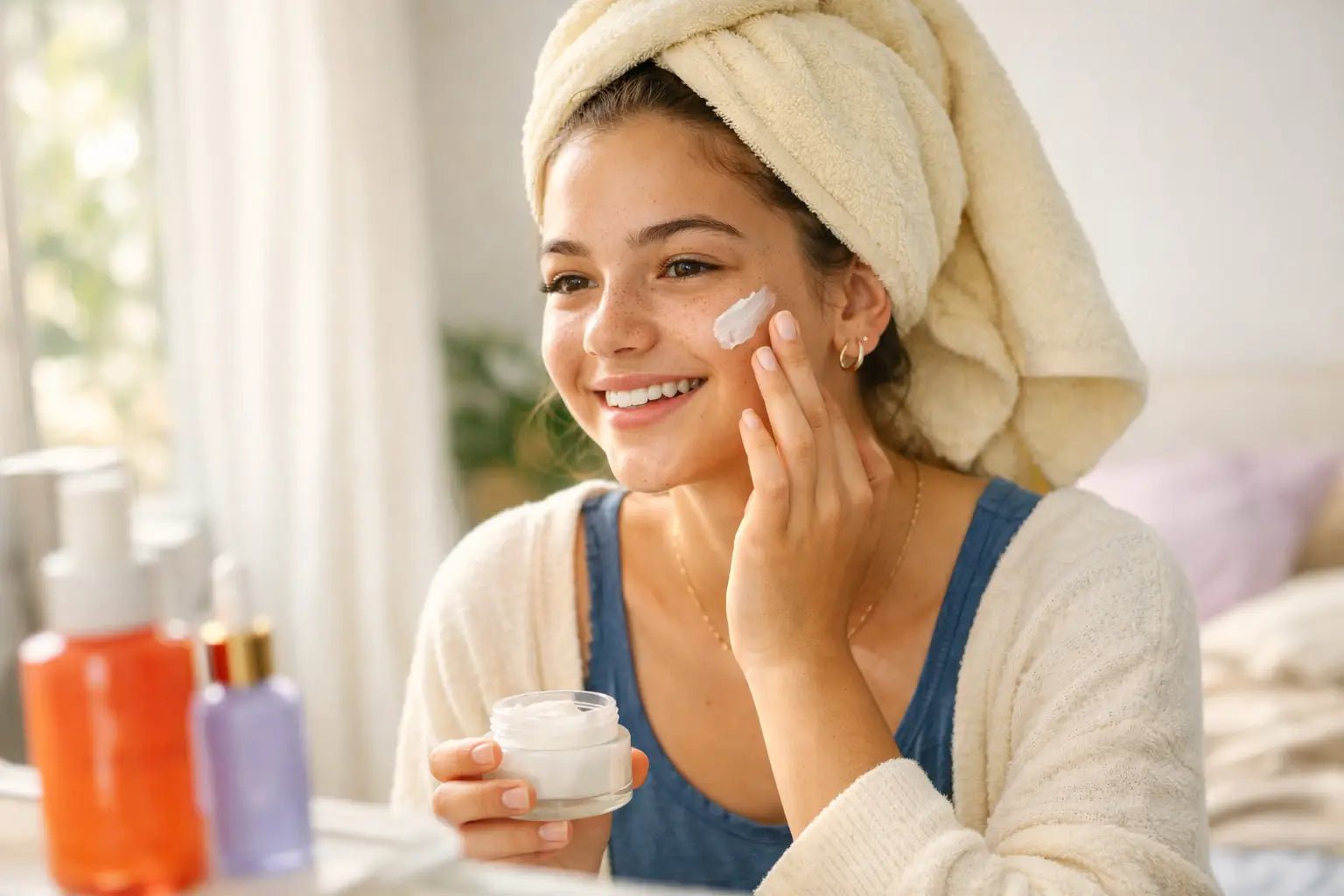
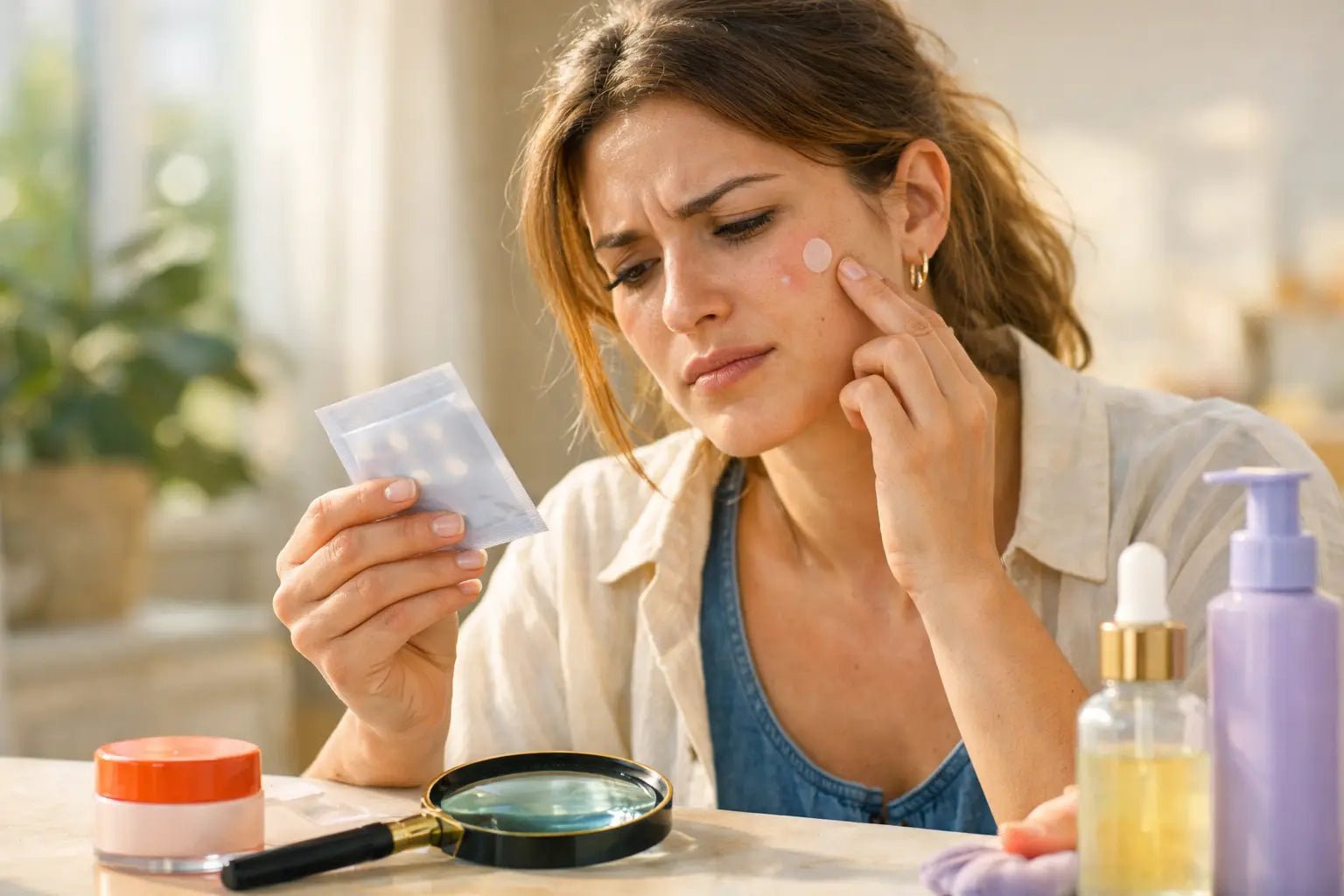
Teen skincare is another place where simpler is often better. Teens dealing with breakouts do not need a ten-step routine or products that leave skin feeling stripped and tight. A gentle cleanser, a targeted blemish treatment when appropriate, a non-comedogenic moisturizer, and daily sunscreen provide a thoughtful starting point. Building a consistent routine with well-vetted essentials can help teens learn to care for their skin without chasing every trend.
Laundry room swaps for everyday exposure
Laundry products touch the fabrics that stay closest to your body: pajamas, towels, sheets, workout clothes, and baby clothes. That makes detergent a high-value addition to your healthy home swaps checklist.
Look for a detergent with straightforward ingredient disclosure and skip heavily fragranced products if someone in your home has sensitive skin. Scent boosters and dryer sheets are easy places to simplify, since they are designed primarily to leave fragrance behind. Wool dryer balls can help reduce drying time and soften fabrics without adding another layer of scent.
Stain treatment is an area where performance matters. A gentler formula is useful only if it helps save the clothes you love. Keep expectations realistic: older stains may need repeat treatments, and white athletic socks may need more effort than a standard wash cycle. Healthier choices should support your routine, not create a pile of laundry you dread.
Create cleaner air without chasing perfection
Indoor air can be affected by cooking, cleaning, dust, pets, building materials, and scented products. You cannot control every variable, but you can make a few calm, effective adjustments.
Open windows when weather and air quality allow. Run the kitchen hood when cooking, especially when sautéing, frying, or using a gas range. Vacuum and dust regularly, ideally with a vacuum that has effective filtration. These basics are often more impactful than buying a long list of specialty products.
Be selective with home fragrance. Candles, room sprays, plug-ins, incense, and wax melts can add atmosphere, but they also add something to the air you breathe. If home fragrance is part of your ritual, choose products with transparent sourcing and ingredients, use them thoughtfully, and give your space ventilation. A fragrance-free home is not the only healthy home, but a home saturated with competing scents can be hard on sensitive people.
The home checklist that prevents overwhelm
Use this quick list when you are ready to make your next replacement:
- Hand soap and dish soap with transparent ingredient lists
- All-purpose cleaner for counters, tables, and everyday messes
- Laundry detergent without overpowering fragrance
- Glass or stainless steel food storage for hot foods and leftovers
- Body care and deodorant that suit your skin and comfort level
- Simple, consistent skincare for teens and adults
- Fragrance choices that feel intentional rather than constant
- A reliable ventilation and dusting routine
A better standard than “perfectly non-toxic”
The phrase “non-toxic” is useful shorthand, but no brand can make every decision for your household. Dose, frequency, ventilation, individual sensitivities, and how a product is used all matter. A concentrated cleaner stored safely and used occasionally is different from a scented lotion applied several times a day.
That nuance is why curation matters. At Free Living Co, the aim is to make safer choices feel less like a research assignment and more like a natural part of your routine. Thoughtful filtering can save time, but your home still gets to reflect your needs, your preferences, and your season of life.
Begin with the next empty bottle, not the whole house. One considered swap can make your daily rituals feel a little clearer, calmer, and more aligned with the way you want to live.


Leave a comment
This site is protected by hCaptcha and the hCaptcha Privacy Policy and Terms of Service apply.