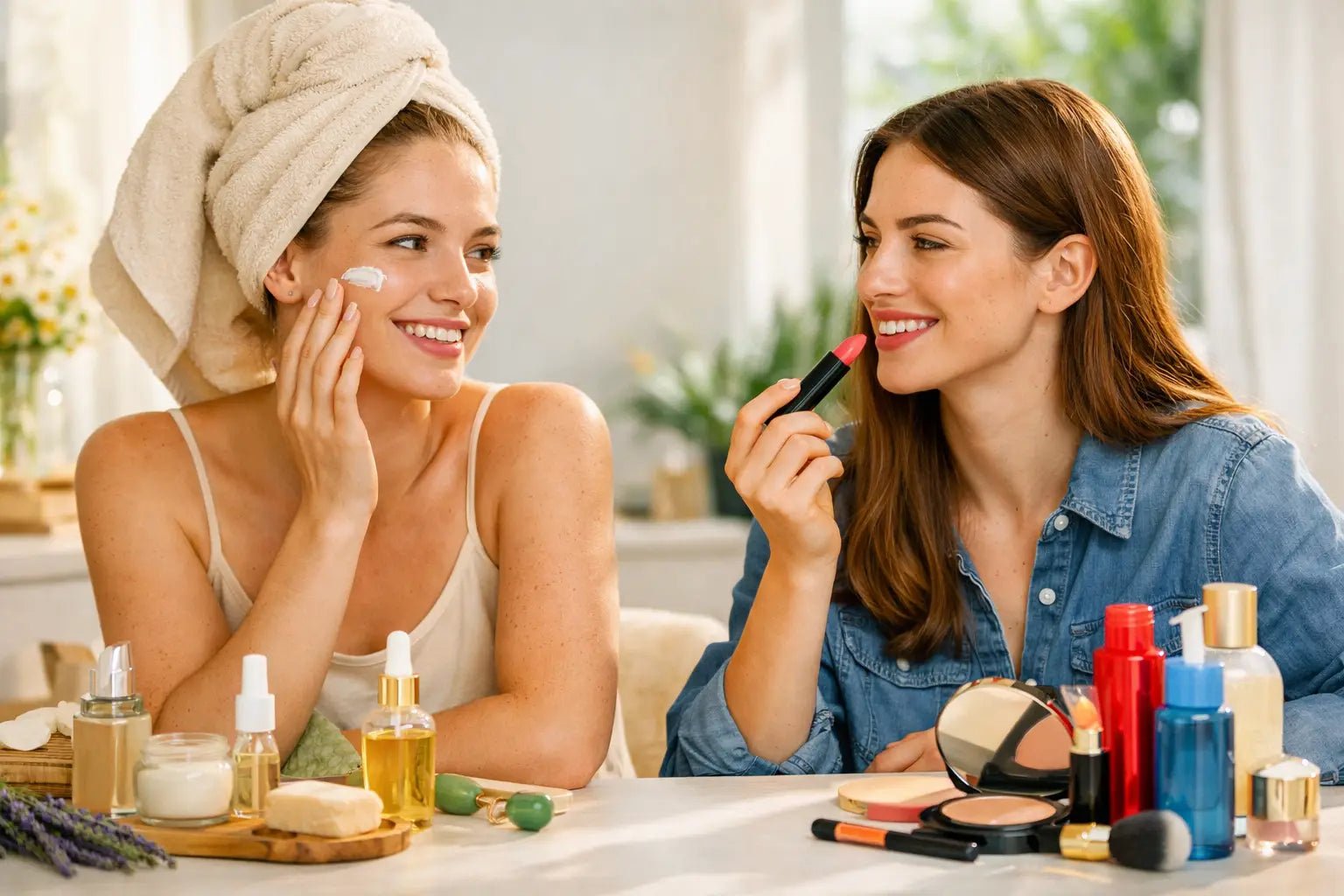
Clean Beauty Versus Conventional Beauty Explained
A face wash can look nearly identical on a bathroom shelf, whether it comes from a drugstore aisle or a thoughtfully curated clean beauty shop. Yet the formulas, ingredient policies, sourcing priorities, and claims behind those bottles can be very different. Clean beauty versus conventional beauty is not a contest between “good” and “bad” people or a demand to replace everything you own overnight. It is a practical question: what standards do you want the products you use every day to meet?
For many households, the challenge is not a lack of options. It is too many options, too many vague labels, and too little time to decode them. A clear framework can help you make choices that feel considered without turning your routine into a research project.
What Does Clean Beauty Actually Mean?
Clean beauty generally describes products made with an intentional approach to ingredient safety, transparency, and often environmental impact. The problem is that “clean” is not a federally standardized term in the United States. A brand can use the word on its packaging while following very different criteria than another brand.
That does not make the category meaningless. It means the details matter. A credible clean beauty brand should be able to explain its ingredient standards, what it chooses to avoid, and why. Many clean retailers and brands screen for ingredients that raise concerns around potential hormone disruption, carcinogenicity, irritation, persistence in the environment, or lack of sufficient safety data for frequent use.
Clean does not automatically mean organic, vegan, fragrance-free, preservative-free, allergy-proof, or sustainable. Those are separate considerations. Natural ingredients can trigger reactions, and synthetic ingredients can be safe, effective, and necessary for a stable formula. Thoughtful clean beauty is not about assuming that natural is always better. It is about evaluating ingredients and formulas with care.
Clean Beauty Versus Conventional Beauty: The Core Difference
Conventional beauty is a broad term for the mainstream personal care market. It includes products at every price point, from basic pharmacy staples to luxury counters. These formulas are regulated, and many are safe and effective when used as intended. But conventional brands may permit ingredients that stricter clean standards choose to avoid, particularly when concerns exist about long-term exposure, sensitive skin, or environmental effects.
The difference often comes down to precaution and transparency. Conventional beauty tends to work within the baseline of what is legally allowed. Clean beauty brands may set a higher internal bar, excluding more ingredients than regulations require and offering more information about fragrance, preservatives, sourcing, or testing.
Neither category guarantees a perfect product. A conventional moisturizer may be an excellent fit for someone with dry, reactive skin. A clean product may contain botanical extracts that are not ideal for a person with allergies. The most useful question is not, “Which category is flawless?” It is, “Does this formula make sense for my skin, my values, and how often I use it?”
Why Ingredient Lists Can Feel So Confusing
Ingredient labels use standardized names, not consumer-friendly language. That is useful for accuracy, but not always for quick decisions between school drop-off, work, and everything else on your calendar. A long ingredient list is not automatically a red flag, either. Modern skincare often needs humectants, emulsifiers, stabilizers, preservatives, and pH adjusters to perform well and stay safe over time.
Fragrance is one area where shoppers often want more clarity. The word “fragrance” can represent a blend of scent ingredients rather than listing every component individually. Some people use fragranced products with no issue. Others, especially those with eczema, rosacea, sensitivities, or easily irritated skin, may prefer fragrance-free choices. That is not fear-based decision-making. It is paying attention to what your skin tolerates.
Preservatives deserve the same balanced view. Water-based products need preservation to help prevent mold and microbial growth. A product marketed as preservative-free is not inherently safer, particularly if it is not formulated and packaged to remain stable. The goal is not to avoid every unfamiliar word. It is to choose brands that use ingredients intentionally and communicate their decisions clearly.
The Trade-Offs Worth Considering
Cleaner formulas can offer real peace of mind, especially for products used frequently and across a whole household. This may be particularly meaningful for body care, deodorant, lip products, baby care, or products used by teens who are beginning to build daily routines.
Still, clean beauty can involve trade-offs. Some formulas have shorter shelf lives, fewer options for certain textures or long-wear makeup finishes, or a higher price due to ingredient sourcing and smaller production runs. Packaging may be more sustainable in one way and less convenient in another. A refill system is appealing, for example, but only if it is practical enough to use consistently.
Performance matters, too. A product that sits unused because it pills under sunscreen, fails to moisturize, or does not hold up to a busy day is not a meaningful solution. You deserve beauty and personal care products that feel good to use, work beautifully, and align with your standards.
Start With the Products You Use Most
You do not need to clear your cabinets to make a thoughtful shift. Replacing products as they run out is often the most realistic, budget-conscious approach. Start with items that are used often, applied over large areas, or stay on the skin for hours.
Consider your daily basics first: cleanser, moisturizer, sunscreen, deodorant, body lotion, lip balm, shampoo, and any makeup you wear regularly. If you are shopping for a teen, keep the routine especially simple. Young skin rarely needs an elaborate lineup of strong acids, heavy fragrance, or trendy actives layered all at once. A gentle cleanser, a lightweight moisturizer, daily sunscreen, and one targeted blemish product when needed can be more useful than a crowded shelf.
For blemish-prone or sensitive teen skin, consistency is usually more valuable than intensity. Look for uncomplicated formulas and introduce one new product at a time. That makes it easier to recognize what is helping and what may be causing dryness, stinging, or breakouts. Live Free Skincare was created with this kind of real-life simplicity in mind: supportive care for sensitive, blemish-prone skin without making a routine feel like another full-time job.
How to Shop Without Getting Pulled in by Marketing
Words like clean, green, natural, pure, and non-toxic can be useful starting points, but they are not proof on their own. Look beyond the front label. Does the brand publish a clear ingredient philosophy? Does it explain its approach to fragrance and preservation? Are its claims specific, or does the packaging rely on broad wellness language without showing what is behind it?
It also helps to shop by your own non-negotiables. Someone managing fragrance sensitivity may prioritize fragrance-free formulas. A parent may focus on everyday family essentials. Another shopper may care most about vegan ingredients, refillable packaging, or products that meet a particular ingredient standard. There is no universal order of importance, and that is okay.
Curated shopping can reduce the pressure to become your own cosmetic chemist. When a retailer has already applied consistent standards to its assortment, you can spend less time sorting through competing claims and more time choosing the texture, scent, finish, and routine that suit you.
A Healthier Routine Should Still Feel Like Your Life
The best beauty routine is not the most expensive, the most restrictive, or the one with the longest ingredient blacklist. It is one you can use comfortably and consistently. Keep the products that serve you, make thoughtful swaps where you see an opportunity, and give yourself room to learn as your needs change.
A calmer approach often leads to better choices: read the label, ask what a product is designed to do, notice how your skin responds, and choose brands that earn your trust through clarity. Clean living for real life is not about chasing perfection. It is about creating a daily rhythm that feels safer, simpler, and genuinely good to come home to.



Leave a comment
This site is protected by hCaptcha and the hCaptcha Privacy Policy and Terms of Service apply.