Are Scented Candles Hormone Disruptors? Facts
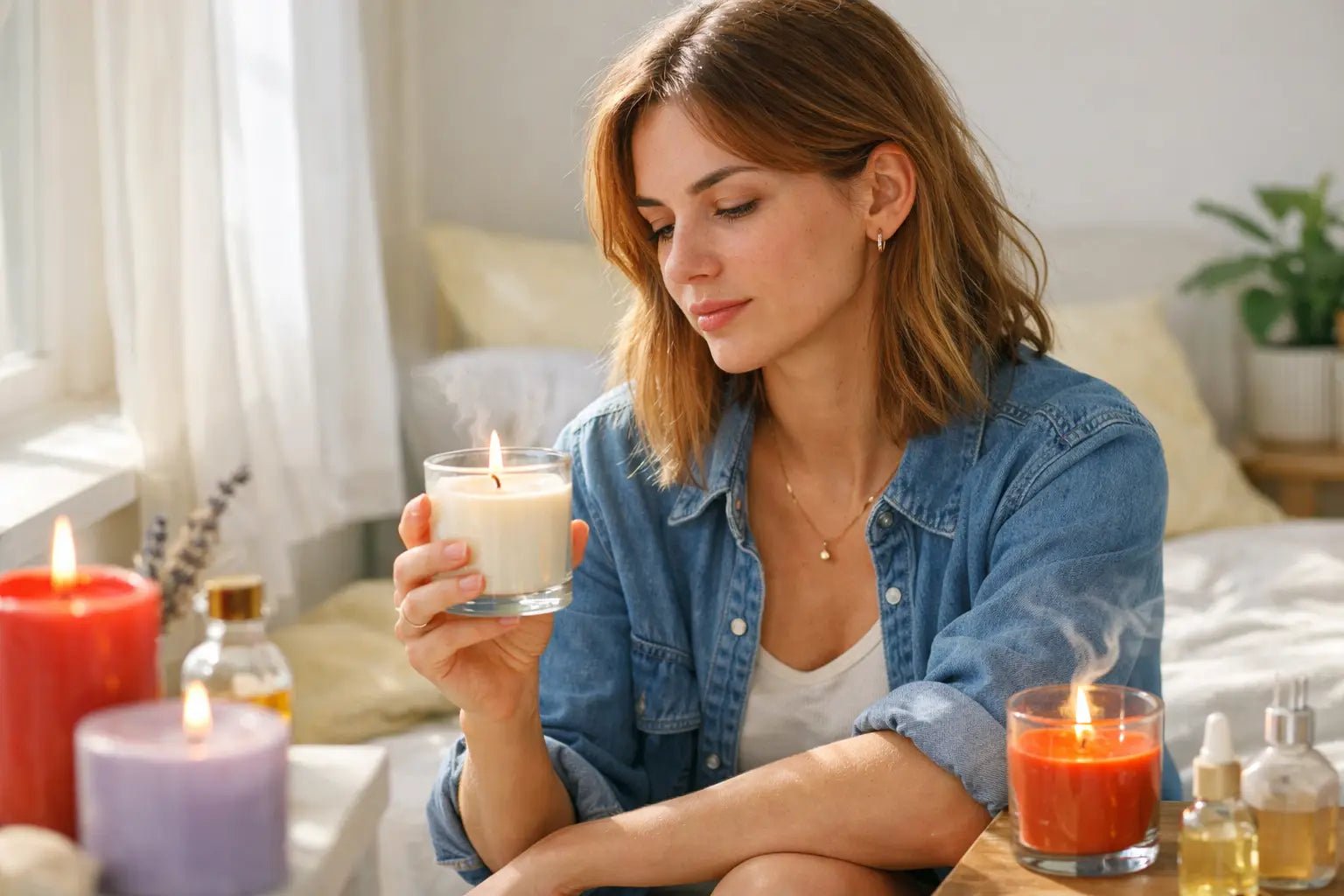
A candle can make a kitchen feel reset after dinner or turn a rushed bedtime routine into a softer landing. But if you are working to reduce unnecessary exposures at home, the question is fair: are scented candles hormone disruptors? The most honest answer is that it depends on the candle, its fragrance ingredients, and how often you burn it.
Not every scented candle is an endocrine-disrupting concern. Still, some conventional candles can contain or release chemicals associated with hormone disruption, respiratory irritation, or indoor air pollution. The goal is not to make your home feel clinical or ask you to give up every small ritual you love. It is to understand what matters, choose with more clarity, and save your concern for the exposures most worth reducing.
Are scented candles hormone disruptors?
A hormone disruptor, also called an endocrine-disrupting chemical, is a substance that may interfere with the body's hormone systems. Hormones help regulate everything from reproduction and thyroid function to metabolism, mood, and development. Research into endocrine disruptors is complex because effects can vary based on the chemical, timing, dose, frequency of exposure, and a person's life stage.
The biggest question with scented candles is usually not the flame itself. It is the fragrance formula.
On a candle label, the word "fragrance" or "parfum" can represent a blend of many ingredients that do not have to be individually disclosed. In conventional fragrance products, that blend may include phthalates, which are sometimes used to help scent last or disperse. Certain phthalates have been linked in research to endocrine activity, particularly with regular cumulative exposure from multiple household and personal-care sources.
That does not mean one candle burned on a Saturday night will suddenly disrupt your hormones. It does mean fragrance is a worthwhile category to consider when you are building a lower-exposure home, especially if candles are part of your daily routine or your household includes babies, children, pregnant people, or anyone sensitive to fragrance.
What makes one candle a better choice than another?
Wax type gets most of the attention, but it is only one piece of the picture. A soy, coconut, or beeswax candle may be a thoughtful choice, yet a plant-based wax alone does not tell you whether the fragrance formula is fully disclosed or free from ingredients you prefer to avoid.
A more considered candle generally provides clear information about its wax, wick, fragrance, and dyes. Look for brands that state whether their scents are phthalate-free and that avoid vague safety claims without any ingredient standards behind them. An ingredient list will not always reveal every component of a proprietary fragrance, but specific, transparent sourcing language is still meaningful.
The wick matters, too. Modern candles should use lead-free wicks, as lead-core wicks were banned in the United States years ago. You may also prefer unbleached cotton or wood wicks and candles without unnecessary colorants. These details do not make a candle perfect, but they help reduce avoidable variables.
It is also useful to separate two ideas that are often blurred together: natural and non-irritating. Essential oils are naturally derived, but they can still trigger headaches, asthma symptoms, or skin reactions in sensitive people. A candle scented with essential oils is not automatically the right choice for every room or every family.
The limits of “non-toxic” candle claims
There is no single regulated definition of “non-toxic” for candles. A brand can use the phrase while offering very little explanation of its standards. Rather than relying on front-label language alone, look for the details: phthalate-free fragrance, transparent materials, lead-free wicks, and testing or sourcing information that is easy to find.
A useful rule is simple: the more a company tells you about what is in its candle and why, the easier it is to make a choice that fits your home.
Fragrance exposure is cumulative
Clean living for real life is not about treating every product as an emergency. It is about noticing the patterns that add up.
For example, a home that uses plug-in air fresheners in several rooms, scented laundry products, fabric sprays, fragranced cleaners, perfume, and candles every day may have a much higher fragrance load than a home that uses one candle occasionally. In that first scenario, switching to a lower-exposure candle helps, but it may be even more effective to reduce the always-on fragrance sources.
This is why a thoughtful home fragrance routine can feel more freeing than restrictive. Choose a candle you genuinely love, burn it intentionally, and let fresh air do some of the work. You do not need a constant scent cloud for a home to feel inviting.
How to burn candles with less indoor impact
Even a carefully made candle creates combustion byproducts when it burns. Ventilation and candle care make a practical difference.
Start by trimming the wick to about one-quarter inch before each burn. A long wick creates a larger flame and can lead to more soot. Keep your candle away from drafts, which can cause uneven burning and smoke, and burn it in a room with some airflow rather than a tightly sealed space.
Avoid burning candles for hours on end. Most candles perform best when used for a few hours at a time, following the brand's directions. If you notice visible soot, a strong chemical smell, a headache, throat irritation, or watery eyes, put the candle out and air out the room. Your body's feedback is useful information, not something to push through.
For nurseries, children's bedrooms, and smaller spaces, consider skipping burning fragrance altogether. A beautiful unscented beeswax candle, a vase of fresh greenery, or simply opening a window can create atmosphere without adding fragrance to the air.
Who may want to be more careful?
There is no need for fear, but some households have good reason to take a more conservative approach. Pregnancy, infancy, childhood, asthma, migraines, allergies, and chemical sensitivities can all change how someone experiences fragranced products. People managing fertility concerns or seeking to reduce endocrine-disrupting exposures may also choose to limit synthetic fragrance as one reasonable part of a broader lifestyle.
If you have asthma or another respiratory condition, talk with your clinician about your individual triggers. A candle marketed as clean may still be irritating to you personally, particularly in an enclosed room.
A calmer way to choose home fragrance
If candles bring you comfort, you do not have to choose between a home that smells good and a home that reflects your health values. Start with fewer, better candles from brands that share meaningful information about their materials and fragrance standards. Use them as a ritual rather than background noise.
At Free Living Co, we believe ingredient choices should feel clear enough to make, not complicated enough to postpone. The best candle for your home is one that fits your sensitivity level, your values, and the way you actually live.
Tonight, try lighting one well-made candle for the length of a bath, a book chapter, or a slow kitchen cleanup, then extinguish it and let the quiet linger. A healthier home can still feel warm, beautiful, and entirely yours.



Leave a comment
This site is protected by hCaptcha and the hCaptcha Privacy Policy and Terms of Service apply.