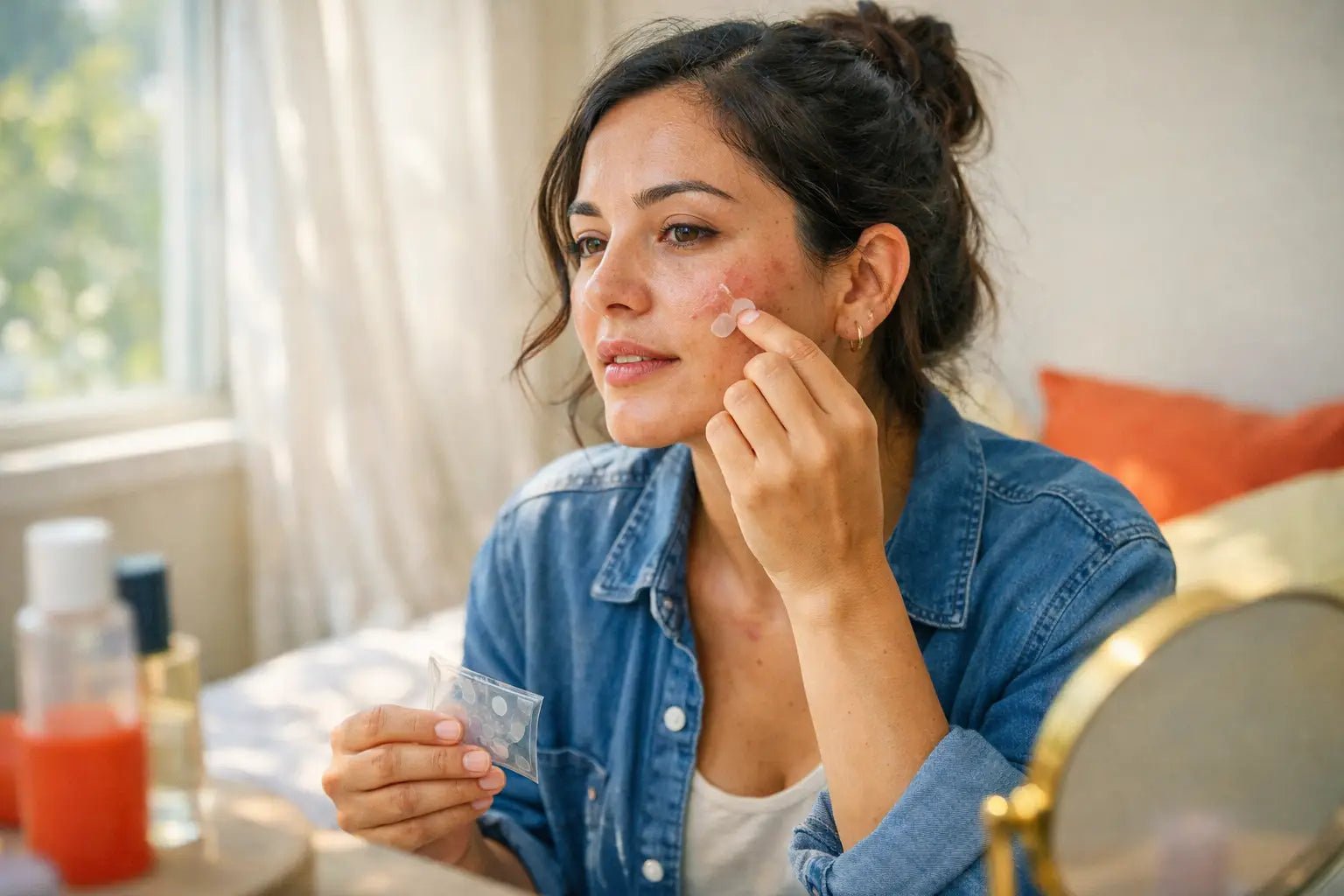
An Honest Acne Patch Review for Real Breakouts
A good acne patch review should answer more than one question: Did it shrink a blemish overnight? It should also tell you what kind of breakout it works on, whether it stays put through real life, and if it fits a gentle routine without creating a new problem around the original one. For anyone trying to simplify blemish care, acne patches can be a genuinely useful tool - as long as expectations are realistic.
Hydrocolloid patches are not a replacement for a thoughtful skincare routine, hormonal support, or professional care when acne is persistent or painful. They are, however, one of the simplest ways to protect an individual spot from picking, friction, and the tempting urge to apply too many treatments at once.
Acne Patch Review: What These Patches Actually Do
Most acne patches are made with hydrocolloid, a moisture-absorbing material commonly used in wound care. When placed over a surface-level pimple with visible fluid or a small whitehead, the patch creates a protected environment and absorbs drainage. That is why a patch may look opaque or puffy after several hours. It is doing its job, not necessarily pulling out every cause of the breakout.
The biggest benefit is often behavioral. A patch keeps fingers away from a spot that would otherwise be squeezed, scratched, or repeatedly checked in the mirror. That matters because picking can extend healing time and raise the likelihood of lingering discoloration or scarring.
A well-made patch should sit comfortably, adhere to clean skin, and remove without tugging. It should also be discreet enough that you will actually wear it. Clear, thin patches are often easiest during the day, while slightly thicker hydrocolloid patches can be a better choice overnight when you want more absorption and do not mind a more visible finish.
What a basic hydrocolloid patch does not reliably do is treat deep, sore, under-the-skin acne. A cystic blemish has no surface fluid for the patch to absorb, so the result may be protection from touching rather than a dramatic overnight change. That is still valuable, but it is a different job.
The Breakouts That Respond Best
Acne patches work best when the blemish is already close to the surface. Think of a whitehead, a pimple that has naturally opened, or a small spot that feels ready to drain without force. Apply a patch after cleansing and drying the area completely. If you have used a spot treatment, let it dry thoroughly first, though many people find it simpler to use either the treatment or the patch at one time.
They are less effective for blackheads, closed comedones, and deep inflammatory bumps. A patch cannot clear a clogged pore that is still buried beneath the skin. It also cannot resolve acne driven by hormones, sweat, hair products, or a routine that is too harsh for your skin barrier.
Some patches include active ingredients such as salicylic acid, tea tree oil, or niacinamide. These can be helpful for certain skin types, but more ingredients do not automatically mean a better patch. If your skin is sensitive, dry, or already using exfoliating products or prescription acne care, an uncomplicated hydrocolloid patch is often the calmer choice. Keeping the skin around a breakout comfortable is part of helping it recover.
How to Use an Acne Patch Without Wasting It
The best timing is usually after your evening cleanse, when skin is clean and fully dry. Moisturizer, facial oil, sunscreen, or even leftover cleanser can keep the adhesive from making full contact. Press the patch onto the blemish for several seconds and leave it alone for the recommended wear time, often six to 12 hours.
Do not stretch a patch over an area with several tiny bumps. Patches work most effectively when they cover one targeted blemish and seal around its edges. If the patch turns white, lifts at the sides, or comes off after an hour, it may be too small for the spot, applied over skincare, or placed where facial movement is working against it.
When you remove it, resist the instinct to inspect or extract anything left behind. Cleanse gently if needed, then continue with a simple routine. If the spot is still open or actively draining, a fresh patch may be appropriate. If it is dry and irritated, give it room to recover with a gentle, fragrance-free moisturizer instead.
There is also a point where using too many patches becomes counterproductive. Constant adhesive contact can irritate very reactive skin, especially around the mouth or along the jawline. A patch is a targeted support, not something you need over every imperfection.
What to Look for in a Gentle Acne Patch
For a clean-living routine, ingredient transparency matters, but so does performance. A patch that falls off before bedtime or leaves skin feeling stripped is not serving you well. Start by looking for a simple, skin-friendly material list and clear instructions on wear time.
If you are prone to sensitivity, consider patches without added fragrance, essential oils, or strong exfoliating acids. Fragrance is not necessary for a blemish patch, and a strong tingle is not proof that a product is working. The most dependable option is often a basic hydrocolloid patch that protects a spot while your skin does the healing.
The shape and thickness are personal preferences. Small round patches suit individual whiteheads, while larger shapes can protect a blemish that has been picked or a small area of irritation. Thin, transparent versions work well for daytime errands, school, or the office. Thicker patches can be especially satisfying overnight, when comfort and absorption matter more than invisibility.
Packaging deserves a quick look, too. Individually sealed patches can be more convenient for travel and help keep the unused patches clean. A resealable sheet can create less packaging waste, provided it stays closed and stored in a dry place. The right choice depends on how and where you will use them.
A Better Role for Patches in Teen Skincare
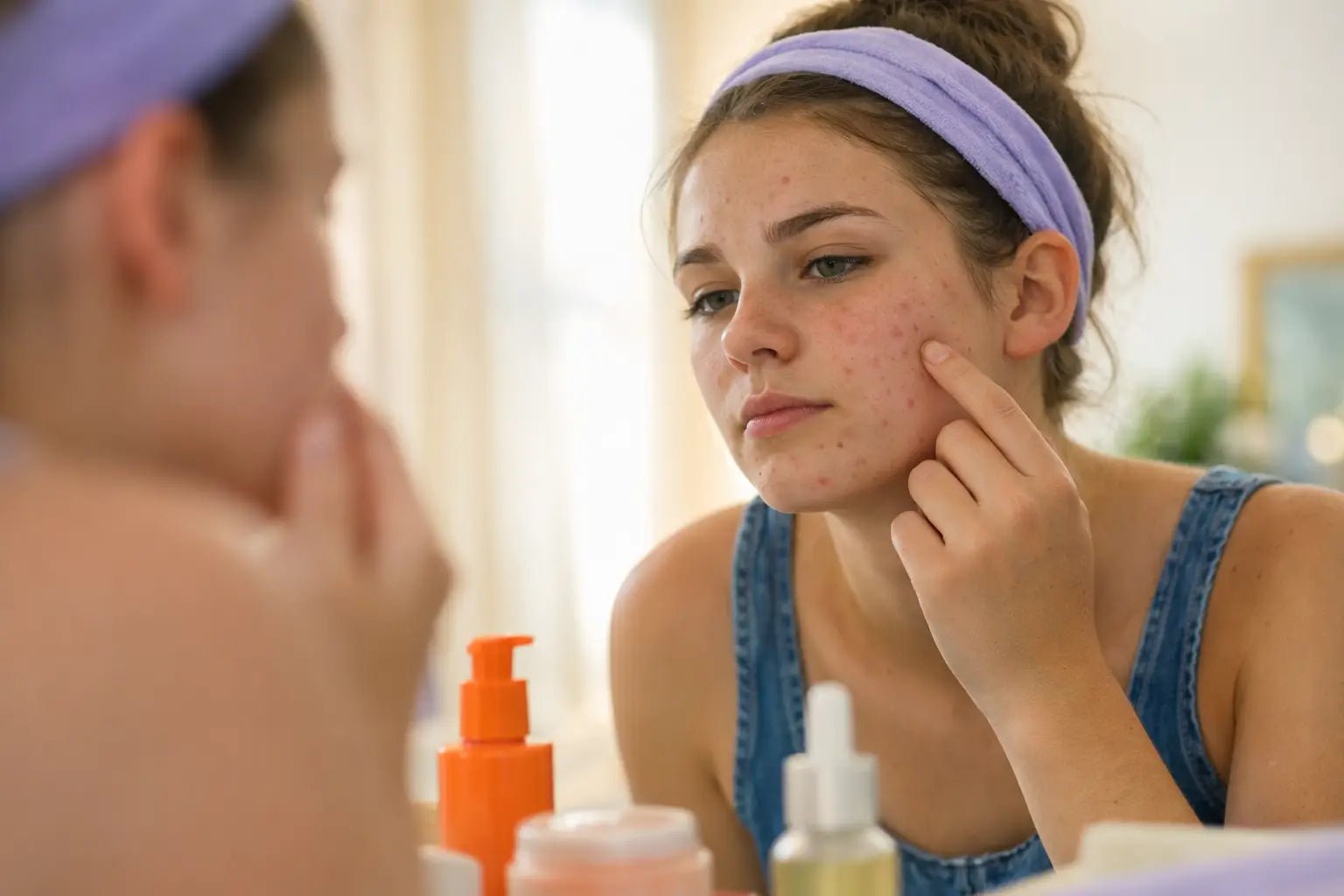
For teens, acne patches can make blemish care feel less confrontational. Rather than declaring war on every pimple with scrubs, harsh astringents, and repeated spot treatments, a patch offers a practical pause. It covers the blemish, discourages picking, and gives the skin a chance to settle.
That approach is especially useful for parents building a teen skincare routine. Keep the foundation simple: a gentle cleanser, a lightweight moisturizer, daily sunscreen, and targeted acne support when it is needed. If breakouts are frequent, painful, leaving marks, or affecting confidence, a dermatologist can help identify a plan that goes beyond individual patches.
At Free Living Co, Live Free Skincare is designed with the same principle in mind: effective care for blemish-prone, sensitive skin should feel clear and manageable, not like a complicated project. The goal is not perfect skin by morning. It is a routine your teen, or you, can use consistently and comfortably.
The Verdict: Helpful, Not Magical
Acne patches earn their place in a routine because they are low-effort and surprisingly effective for the right type of spot. They can make a whitehead look flatter by morning, protect healing skin, and break the picking cycle that keeps a small blemish around longer than necessary. They cannot treat every kind of acne, and they will not fix the underlying reason breakouts keep returning.
Think of them as a small, useful layer of care. Keep a few on hand, use them on surface-level blemishes, and let a steady, gentle routine do the larger work. Skin tends to respond best when it is supported, not constantly challenged.



Leave a comment
This site is protected by hCaptcha and the hCaptcha Privacy Policy and Terms of Service apply.