Sweat, Odor and the First Deodorant
Body odor isn't sweat. It's bacteria eating sweat. The kind of sweat gland responsible, the apocrine gland, can start activating as early as age 6 to 8, often before any other sign of puberty shows up. That timing catches a lot of families off guard, which is exactly why it's worth knowing in advance rather than reacting to it.
Deodorant and antiperspirant solve two different problems, and knowing which one is actually needed matters more than which brand gets picked.
Two different sweat glands are doing two different jobs, and almost none of the marketing on a drugstore shelf explains the difference.
Two glands, two jobs
Eccrine glands are spread across almost the entire body and produce the thin, mostly odorless sweat responsible for cooling skin down. They're active from birth and have nothing to do with puberty at all.
Apocrine glands are different. They're concentrated in the underarms and groin, they produce a thicker fluid, and they don't switch on until hormones tell them to, specifically the androgen rise covered in what puberty does to skin. That activation can start during adrenarche, as early as age 6 to 8, well before the visible signs most people associate with puberty. A kid who suddenly has a smell that wasn't there a few months ago isn't doing anything wrong. Their apocrine glands turned on, on schedule, ahead of almost everything else.
Here's the part worth knowing by heart: apocrine sweat has no odor on its own. It becomes odor when the bacteria that live on everyone's skin metabolize it. More sweat sitting on skin longer means more bacterial activity means more odor. Nothing about that process is a hygiene failure. It's biology plus time.
Deodorant versus antiperspirant: the distinction most parents don't know
These get used interchangeably in conversation and they do genuinely different things.
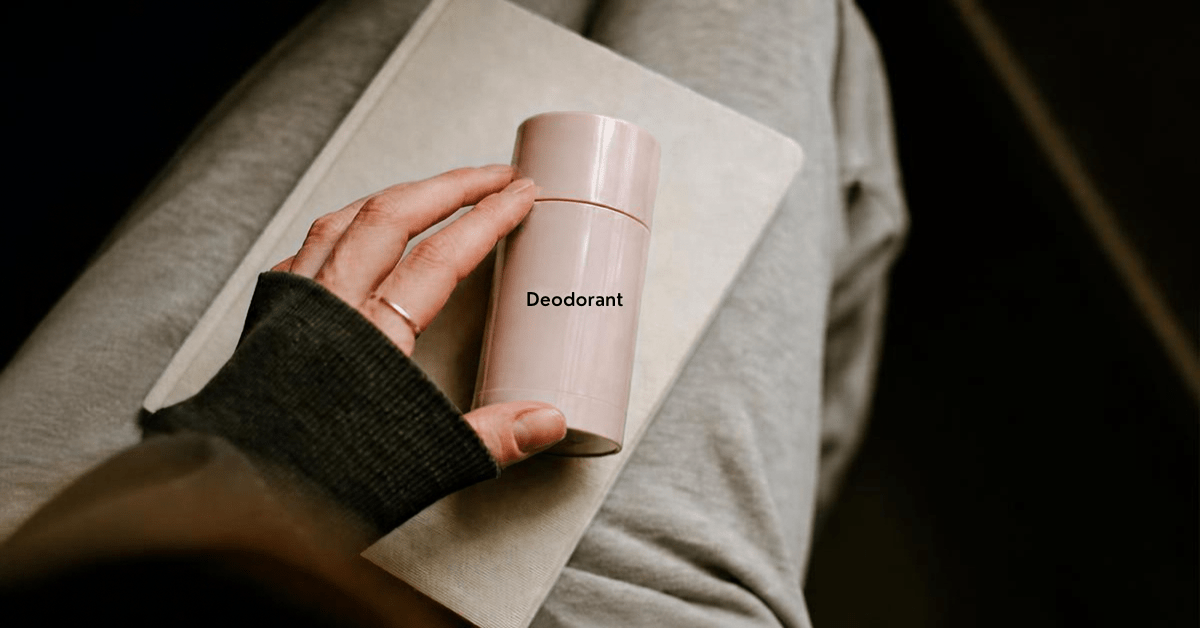
- Deodorant addresses the bacteria and the odor. It doesn't reduce how much someone sweats. Most work through antibacterial ingredients, fragrance to mask odor, or both.
- Antiperspirant addresses the sweat itself, using aluminum salts to temporarily block sweat ducts and reduce how much fluid reaches the skin's surface. Less sweat means less material for bacteria to work with, which is why antiperspirants also reduce odor as a side effect, even though that's not their primary mechanism.
For most teenagers, the actual problem being solved is odor, not sweat volume, which makes a plain deodorant the right starting point rather than reaching straight for an antiperspirant. If sweat volume itself is the issue, heavy visible sweating regardless of temperature or activity, that's a separate conversation worth having with a doctor rather than solving with a stronger product off the shelf.
The aluminum question, handled the way this library handles the hard ones
Parents ask about this constantly, and it deserves the same treatment the Paraben File gave parabens: the honest answer instead of the easy scare on either side.
The aluminum-breast cancer link is not established by the evidence. The National Cancer Institute states it directly: "no scientific evidence links the use of these products to the development of breast cancer," and that "no studies to date have confirmed any substantial adverse effects of aluminum that could contribute to increased breast cancer risks." A clean brand saying that plainly is credibility, not a concession, and pretending otherwise to sound more cautious would be borrowing a scare the research doesn't support.
That doesn't mean there's no legitimate reason to choose aluminum-free. Some people find aluminum salts irritating on sensitive or freshly shaved skin, some simply prefer not to block a bodily process even absent a proven harm, and both are reasonable personal choices. The distinction worth holding onto is that those are preferences, not safety findings, and this library isn't going to dress a preference up as a warning to make a point.
The natural-deodorant trap: baking soda
If aluminum-free is the choice, one ingredient in that category deserves its own caution: baking soda, a common ingredient in natural deodorants precisely because it's genuinely effective at neutralizing odor-causing bacteria.
The problem is pH. Healthy skin sits around pH 5, mildly acidic. Baking soda is closer to pH 9, distinctly alkaline. Applied directly to skin, especially thin, sensitive underarm skin, that mismatch can cause redness, itching, and a scaly rash, and the reaction shows up more often and more severely on skin that's just been shaved, since shaving already compromises the surface barrier that would otherwise buffer the irritation. This is the same friction-and-barrier mechanic covered in the body acne Foundation: compromised skin plus a harsh ingredient is a predictable combination, underarms included.
None of this means baking soda deodorants are universally bad. Plenty of people use them without any reaction. It means patch-testing a new natural deodorant the same way any new product gets patch-tested, covered in the patch test Foundation, matters more here than the "natural" label suggests it should.
When sweat volume itself is the real problem
Occasionally the issue genuinely is how much someone sweats, not just the odor that follows. Visible, heavy sweating that shows through clothing regardless of temperature, activity level, or stress, especially if it's affecting the underarms, palms, or feet all at once, has a name: hyperhidrosis. It's a real, common, treatable condition, not a hygiene issue, and it's worth a conversation with a doctor rather than an ever-stronger stack of drugstore antiperspirants. A clinical-strength antiperspirant, available over the counter but stronger than a standard formula, is sometimes the first step a doctor suggests, and it still falls under the same aluminum-salt mechanism covered above.
That's a genuinely separate situation from ordinary teenage body odor, and it's worth naming so a family isn't left wondering whether typical adolescent sweating is somehow abnormal. For the vast majority of teenagers, what's happening is apocrine glands doing exactly what they're supposed to do, not a medical issue.
A few practical details that make more difference than the product choice
Deodorant and antiperspirant both work better applied to clean, dry skin, since sweat already present on the skin dilutes and washes away whatever was just applied. For antiperspirant specifically, applying at night is genuinely more effective than a rushed morning application, because the aluminum salts need time undisturbed to form the temporary plugs that reduce sweat, and overnight is when skin is driest and least active.
Reapplication after intense activity, sports practice, a hot afternoon, matters more than switching products when the first one "stops working." Most of the time it hasn't stopped working. It's been sweated and washed off and needs to go back on, the same ordinary maintenance any product on the body needs through a physically active day.
This also connects to why deodorant belongs in the same conversation as body acne: both are about managing sweat, friction, and bacteria in warm, covered areas of skin, and the same clean-dry-skin habit that helps one helps the other.
The practical, age-appropriate answer
Odor starting is the actual signal to introduce deodorant, not a specific birthday. Since apocrine activation can begin as early as 6 to 8 and ramps up through puberty, that signal can arrive well before middle school, and there's no reason to wait for it to become socially obvious first.
Start with a plain, fragrance-conscious deodorant rather than an antiperspirant, since odor is almost always the actual problem being solved. Reach for antiperspirant only if odor alone genuinely isn't enough, and treat any natural, baking-soda-based formula the way any new active gets treated: patch-tested first, not applied to freshly shaved skin on day one.
This is a small, unglamorous addition to a routine. It's also exactly as urgent, for the kid who just noticed the smell, as anything else in this library.
Dana