What "Fragrance" Really Means on Your Skincare Label
A customer in my shop in Kimball Junction picked up a bottle last week, turned it over, studied the ingredient list for a good thirty seconds, and asked me a simple question: what is actually in the fragrance? She was not being difficult. She was being exactly the kind of shopper I built this store for. And the honest answer, for most products on most shelves in America right now, is that you cannot know, because the law does not make anyone tell you.
That is about to change, at least on one side of the Atlantic. On July 31, 2026, a new European Union rule takes effect that forces cosmetics brands to name individual fragrance allergens on the label instead of hiding all of them behind the single word fragrance or parfum. The list of allergens that must be individually declared is jumping from 26 to more than 80. (Existing stock gets until 2028 to sell through, so the change rolls in gradually, but the direction is set.) I want to talk about why one little word has been able to do so much heavy lifting for so long, what the change actually reveals, and what it does and does not mean for how you shop.
The one word that was allowed to mean a thousand things
Here is the part most people do not realize. On an ingredient list, "fragrance" is not an ingredient. It is a category. Under longstanding labeling rules in both the US and the EU, a company could write "fragrance" or "parfum" and legally group under it a blend that might contain dozens, sometimes hundreds, of individual components. The Environmental Working Group has spent years pointing out that this single word can stand in for a mixture of many undisclosed chemicals, protected as a trade secret.
Here is the scale of it. The International Fragrance Association publishes a transparency list of the materials actually used in fragrance creation worldwide, and the 2025 edition runs to roughly 3,700 ingredients, more than 3,300 of them used for scent itself. No single bottle on your counter contains anywhere close to that many. But that is the palette a brand can draw from without naming one of them on your label. One word, thousands of possibilities, zero obligation to say which.
I do not say that to make you afraid of your bathroom. Most of those components are perfectly ordinary. The problem was never that fragrance is inherently evil. The problem was that you, the person actually putting the product on your face, were the only one in the entire supply chain who was not allowed to see the full list. The formulator knew. The brand knew. The regulator, in theory, could ask. You got one word.
That word has a history. When modern ingredient-labeling rules were written decades ago, the fragrance industry successfully argued that scent formulas were proprietary, the secret recipe that separated one perfume house from another. Fair enough for a bottle of perfume whose entire purpose is the smell. Less fair when the same blanket protection quietly followed fragrance into your face wash, your body lotion, and your kid's shampoo, where scent is a rounding error on the label but still gets the full trade-secret shield.
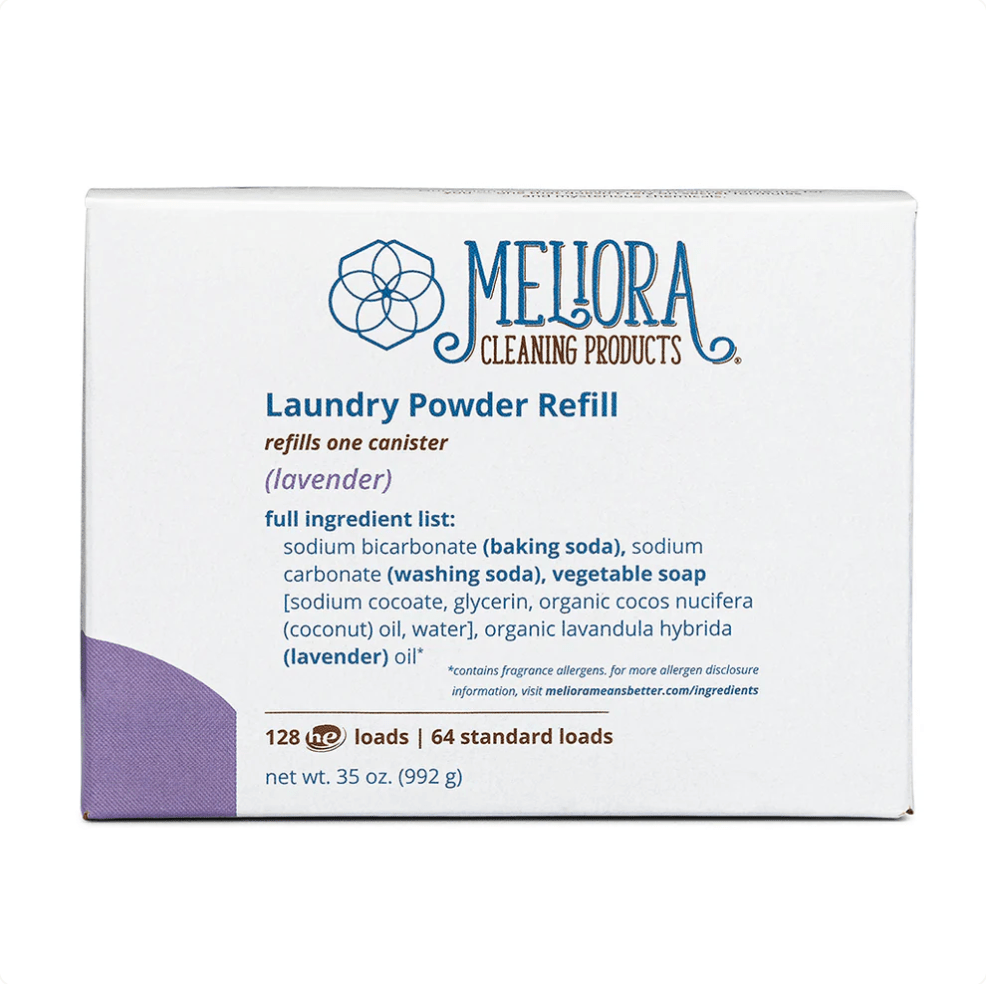
For someone with sensitive skin, or a teenager whose skin is still figuring itself out, that is not an academic problem. Fragrance allergens are among the more common triggers for contact irritation. If you have ever had a product make your skin feel tight, itchy, or blotchy and had no idea which of the twenty ingredients did it, there is a decent chance the culprit was hiding inside a word that told you nothing.
What Europe is actually doing, and why it matters in Park City
The EU change is technical, but the spirit of it is simple. If a known allergen is present above a tiny threshold, it has to be named. So instead of "fragrance," a label might now read "fragrance (linalool, limonene, citronellol)." Suddenly the word has receipts.
Be clear about what this does and does not do. Going from 26 named allergens to more than 80 is not full disclosure of everything in the blend. It is a specific, targeted expansion aimed at the substances most likely to trigger a reaction. The thousands of other possible fragrance ingredients still sit behind the same word. This is a crack in the door, not the door coming off its hinges. It is still the most meaningful crack in decades.
Why should you care in Utah and not just in Europe? Two reasons. First, regulation like this tends to travel. When the EU raised its standards on which ingredients are even allowed in cosmetics, a lot of global brands reformulated everywhere rather than run two versions of the same product. Labeling behaves the same way. It is often cheaper to disclose everywhere than to maintain a European label and an American one for the same tube.
Second, the US is quietly moving in the same direction. Under the Modernization of Cosmetics Regulation Act, the first meaningful update to federal cosmetics law since 1938, the FDA is required to identify fragrance allergens that must be disclosed on labels, and the agency has signaled a proposed rule on exactly this. It is slower and narrower than Europe's, but the era of "fragrance" as a free pass is ending on both continents. The only real question is how fast.
Why "clean" alone was never going to fix this
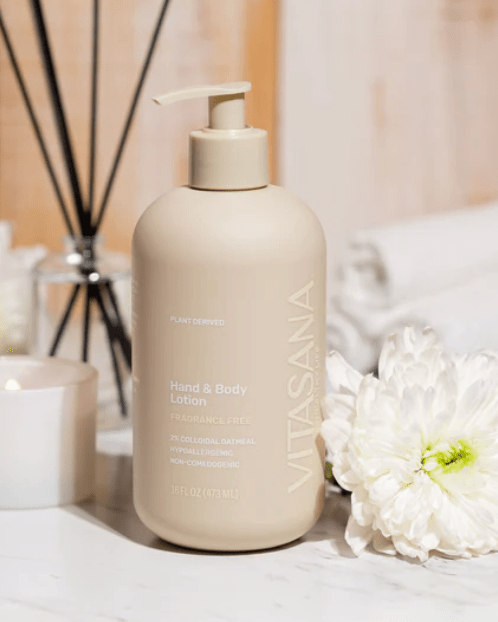
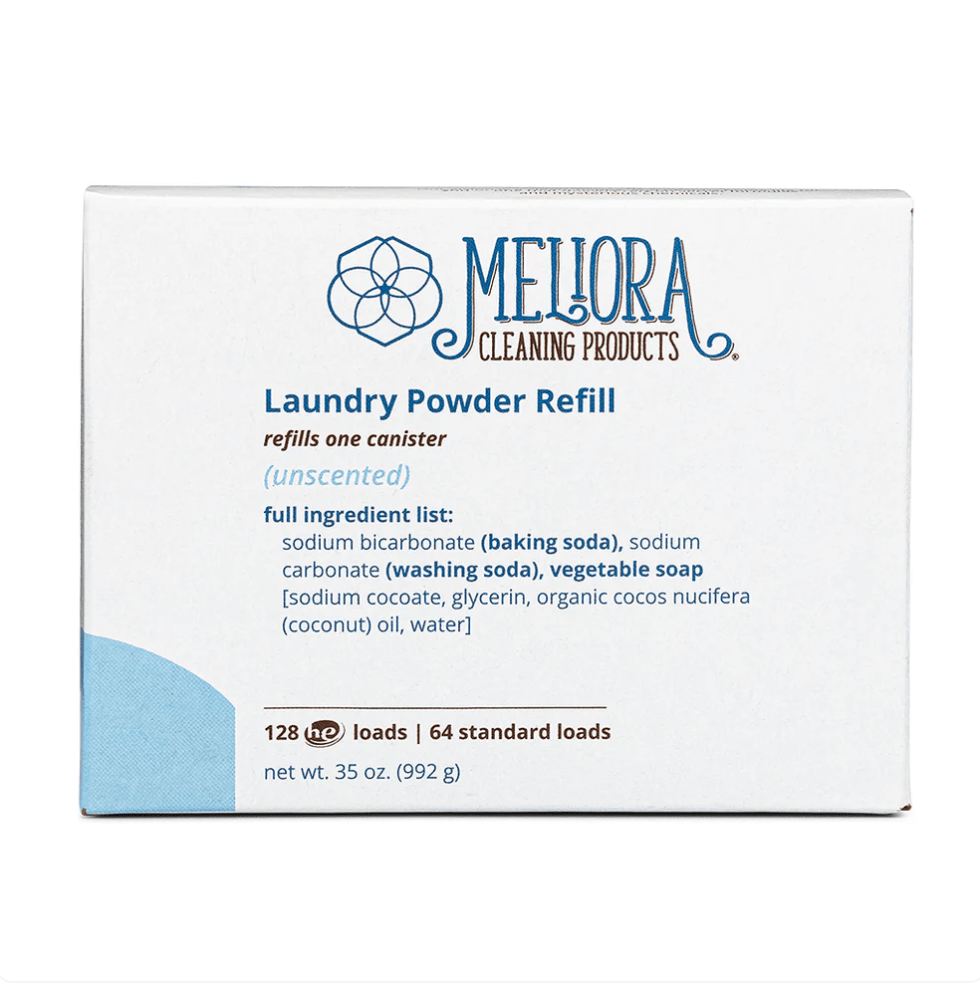
You would think a clean-beauty person would be thrilled to watch a bunch of mystery components get dragged into the daylight. I am. But I also want to be honest about something my own corner of the industry has done badly. For years, the marketing answer to fragrance anxiety was to slap a word on the front of the box. Clean. Non-toxic. Naturally scented. Fragrance-free. Half of those words have no agreed definition. "Unscented" can even mean a masking fragrance was added to cover up the smell of the other ingredients, which is a genuinely funny thing to learn the hard way.
Front-of-box words were never the fix. The fix is the back of the box actually telling the truth. That is what makes this labeling change matter more than any "clean" badge ever did. A badge asks you to trust the brand's self-image. A full ingredient list asks you to trust your own eyes. I will take the second one every time.
What I do about it, and what I do not
People assume that because I run a clean-living marketplace, my answer is "fragrance bad, unscented good." It is not that simple, and pretending it were would make me exactly the kind of fear salesperson I cannot stand.
Here is what I actually do. When a brand wants onto my shelves, I ask what is behind their fragrance. Not to trap them. To see whether they know, and whether they will tell me. The brands I trust most are almost never the ones with the longest list of scary-sounding villains removed. They are the ones who, when I ask what is in their scent, answer in about four seconds with a real list, or tell me plainly that it is a naturally derived blend and here are the components. A brand that treats the question as reasonable is a brand that respects the person buying it. A brand that gets cagey is telling me something too.
That is the entire premise of the store. I carry more than 2,000 products across 150 brands, and my job is not to memorize a banned-ingredient list and wave it around like a hall pass. My job is to have already asked the annoying questions so you do not have to stand in an aisle Googling a word you cannot pronounce.
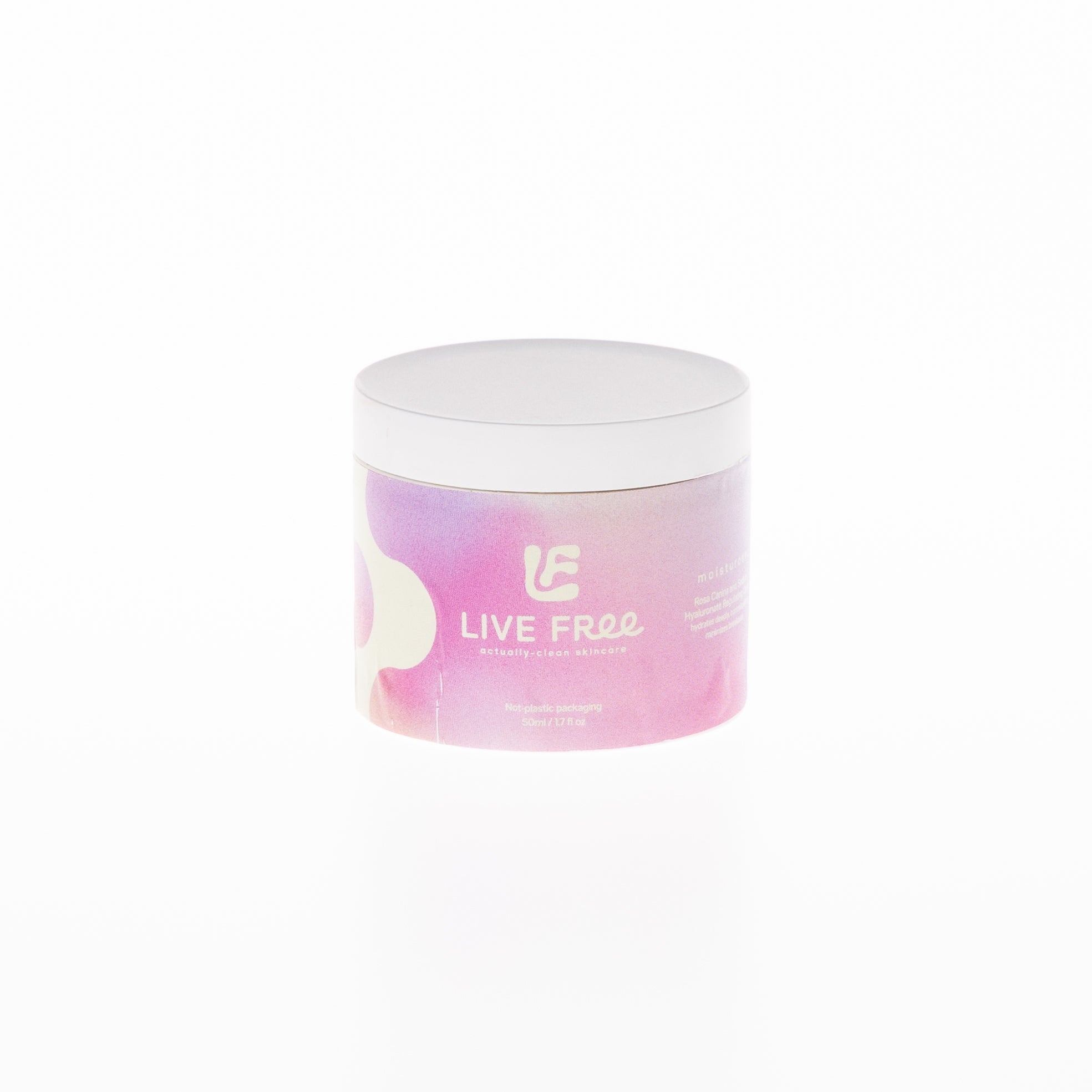
It is also why our own line, Live Free Skincare, is built the way it is. There are three products: smooth sali, pore magic, and moisturose. Short lists, plain language, designed for young and sensitive skin to feel comfortable and look clear and smooth. When I formulate for a fourteen-year-old's face, "we cannot tell you what is in the scent" is not an answer I am willing to give a parent. I would rather earn the sale by answering the question than dodge it.
And because someone always asks: no, the routine does not stop at three steps. The fourth step is sun protection, and I did not build a sunscreen. I did something more useful. I hand-vetted the mineral sunscreens I actually trust and stocked them in the shop, so when a customer finishes with moisturose I can point her to the two or three I would put on my own kids, instead of sending her back into the guessing game she walked in to escape.
How to read the word yourself, starting today
You do not have to wait for July 31, and you certainly do not have to wait for the FDA. You can start reading the word "fragrance" more skeptically this afternoon, without becoming the person who is afraid of everything.
Turn the bottle over and find "fragrance" or "parfum" in the ingredient list. Notice where it sits. Ingredients are listed roughly in order of how much is in the product, so fragrance near the top means there is a lot of it, and dead last means a whisper. Free tools like INCIDecoder will translate the rest of the list into plain English, and a growing number of brands now show the fragrance components right there for you.
Then, and this is the part that actually matters, decide based on what you need rather than what you are afraid of. If your skin is calm and happy with a scented product you love, the new label is just extra information, not a reason to panic and throw it out. If your skin has been mysteriously reactive, the new disclosure is a gift, because for the first time you get to play detective with real clues instead of one blank word.
The word is finally showing its receipts
I keep coming back to that customer turning the bottle over in her hands. For years, the honest answer to her question was "no one will tell you, and that is legal." Starting this summer, in one large part of the world, the honest answer becomes "read the label, more of it is finally on there." That is not a small thing. That is decades of a single word getting a pass, quietly starting to end.
The takeaway I would leave you with is not that fragrance is dangerous. It is that you were never the one who was supposed to be in the dark, and you do not have to be anymore. The label is catching up to what you always had a right to know. In the meantime, you are allowed to ask the annoying question of any brand, including mine. The good ones will have an answer ready. The rest will tell you everything you need to know by how long they take to respond.
Live Free,
Dana Grinnell
Founder, Free Living Co.


Leave a comment
This site is protected by hCaptcha and the hCaptcha Privacy Policy and Terms of Service apply.