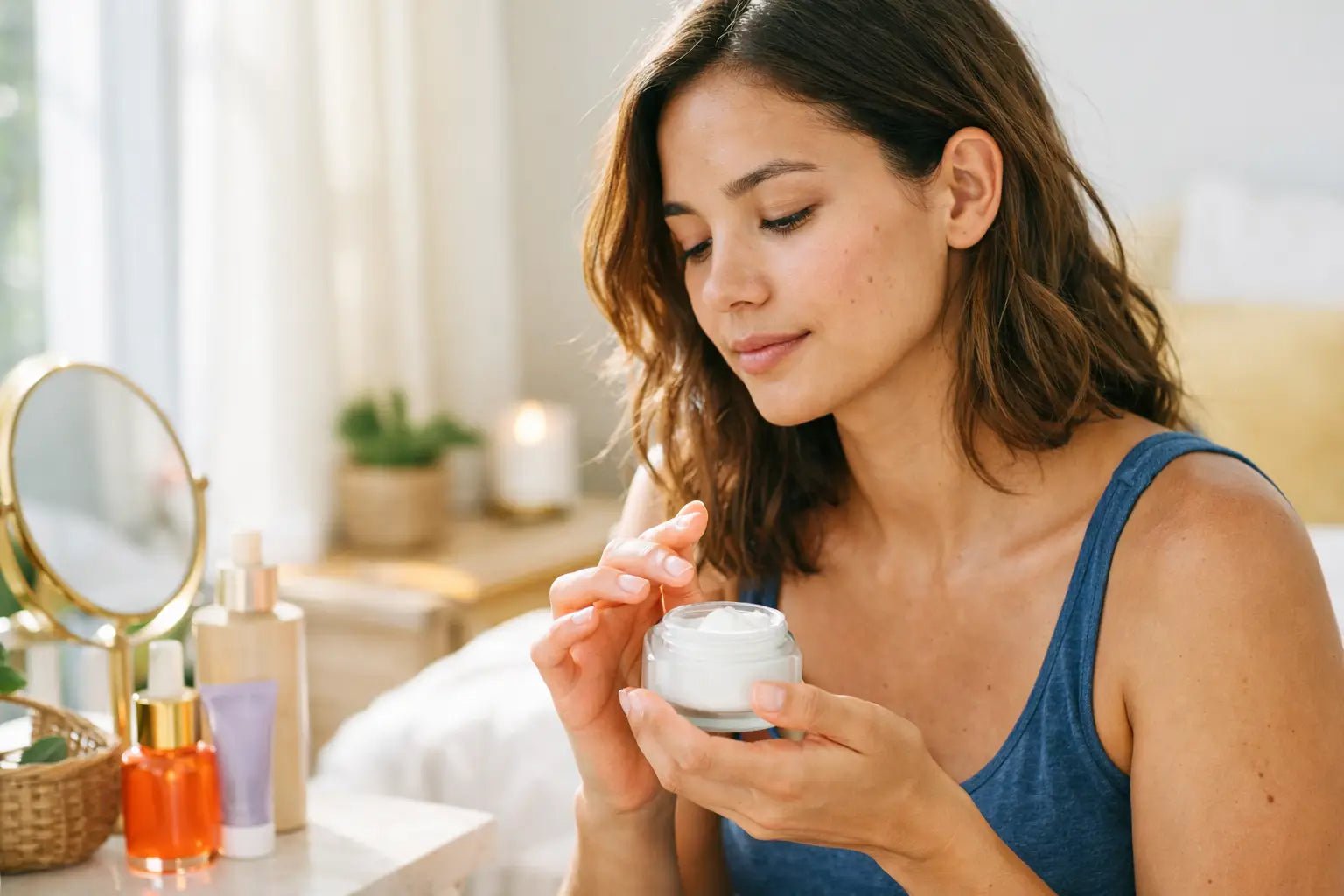
How to Choose a Blemish Safe Moisturizer
A moisturizer can be the product that settles a reactive complexion - or the one that leaves you wondering why your skin suddenly feels congested. Knowing how to choose blemish safe moisturizer options means looking beyond a polished front label and choosing hydration that supports your skin barrier without adding unnecessary stress to already breakout-prone skin.
For many people, especially teens and adults managing hormonal shifts, blemishes are not caused by one ingredient or one imperfect skincare day. Skin is individual. Still, a thoughtful moisturizer can make a meaningful difference by keeping skin comfortable, balanced, and less likely to overcompensate with excess oil.
What “blemish safe” actually means
Blemish safe is not a regulated product term, and it does not promise that no one will ever break out from a formula. It is better understood as a practical standard: a moisturizer should provide the water and barrier support your skin needs while avoiding ingredients, textures, or irritants that are more likely to contribute to clogged pores or inflammation for you.
That last part matters. One person may love a rich botanical balm through a dry Utah winter, while another finds the same texture too heavy for an oilier T-zone. A truly useful choice considers your skin’s current behavior, not just the skin type printed on an old quiz result.
Breakouts can also be influenced by hormones, stress, hair products, makeup brushes, sweat, medication, and overuse of exfoliating treatments. A new moisturizer is worth assessing, but it should not have to carry the blame for everything happening on your skin.
Start with your skin’s real needs
Oily or blemish-prone skin still needs moisture. When skin is stripped by harsh cleansers or frequent acne treatments, it can feel tight, sting easily, and produce more oil in response. Skipping moisturizer may seem logical in the moment, but it often makes a disrupted routine harder to manage.
If your skin is shiny by midday but feels dry after cleansing, look for lightweight hydration with a comfortable finish. Gel-creams, fluid lotions, and light creams often work well here. If your cheeks are dry, flaky, or easily irritated while your forehead and nose are more congested, a balanced lotion or cream may be a better fit than an ultra-light gel.
For skin that is dry and blemish-prone, texture deserves more nuance. A richer moisturizer is not automatically pore-clogging. In fact, an under-moisturized barrier can make active treatments feel harsher and leave skin looking more inflamed. The goal is enough nourishment to reduce tightness and flaking without coating skin in a formula that feels persistently heavy or greasy.
How to choose blemish safe moisturizer ingredients
Ingredient lists can feel like a second job, especially when every product makes a different claim. You do not need to memorize every ingredient to make a grounded decision. Start by looking for a simple formula built around humectants, barrier-supportive ingredients, and emollients that suit your preferred texture.
Humectants draw water into the skin and are often particularly helpful when blemish treatments leave skin dehydrated. Glycerin, hyaluronic acid, panthenol, and aloe are common examples. Barrier-supportive ingredients such as ceramides, squalane, and niacinamide can help skin feel calmer and more resilient over time.
A few ingredients deserve closer attention if your skin is reactive or frequently congested. This is not a universal avoid list, but it is a useful place to pause:
- Heavy fragrance, including fragrant essential oil blends, can be a concern for skin that stings, flushes, or becomes inflamed easily.
- Denatured alcohol high on an ingredient list may feel weightless at first but can be drying for some skin types.
- Very rich oils and butters may be lovely for dry body skin yet feel too occlusive on a congestion-prone face.
- Strong active ingredients can be helpful in a targeted treatment, but stacking them into every step can overwhelm sensitive skin.
Treat “non-comedogenic” as one clue, not a guarantee
Non-comedogenic means a product is designed not to clog pores. It can be a helpful signal, particularly when paired with a lightweight, fragrance-conscious formula. But it is not a universal guarantee, because pore congestion is affected by individual skin chemistry, climate, layering, and how much product you use.
A moisturizer labeled non-comedogenic may still be too rich for someone with very oily skin. Conversely, a product without that label may be perfectly comfortable for someone with dry, acne-prone skin. Think of the claim as part of the picture, not the entire decision.
The finish can provide another useful clue. If you dislike the feeling of product sitting on your face, choose a moisturizer that absorbs within a few minutes and leaves skin soft rather than slick. If you use a prescription acne treatment, retinoid, or exfoliating acid, a slightly more cushioning formula may be appropriate, especially at night.
Keep the routine around it simple
Even an excellent moisturizer can be hard to evaluate in a crowded routine. If you are trying something new, resist the urge to introduce a cleanser, serum, mask, and moisturizer all at once. Use the new moisturizer consistently while keeping the rest of your routine steady.
Apply it after cleansing, on slightly damp skin, and use enough to cover your face and neck without over-layering. In the morning, follow with a sunscreen that works for your skin type. At night, apply it after any treatment step, unless your dermatologist has given different instructions.
When skin is actively irritated, less is often more. A gentle cleanser, one appropriate treatment if needed, moisturizer, and daily sunscreen can be a stronger foundation than a shelf full of aggressive products. This is especially helpful for teens who may be tempted to scrub, spot-treat, and dry out every blemish at once.
Give your skin a fair trial
Patch testing can reduce surprises, especially if you have sensitive skin or a history of reactions. Apply a small amount along the jawline or behind the ear for several days before using it across your face. A patch test cannot predict every delayed breakout, but it can help identify obvious irritation.
Then give the moisturizer time. A little extra shine in the first few days may mean you are using more than your skin needs. Burning, itching, redness, or a rash are clearer signs to stop using a product. New clogged bumps that continue after two to four weeks may also suggest the formula is not the right match.
Try not to judge a moisturizer by a single breakout. Acne has a longer timeline than most people realize, and one blemish can be connected to changes from days earlier. Look instead for patterns: Does your skin feel calmer? Is it less tight after cleansing? Are clogged pores becoming more frequent, or is your complexion gradually feeling more balanced?
Choose care that feels easy to repeat
The best moisturizer is not necessarily the lightest, richest, or most expensive one. It is the one that gives your skin dependable comfort and fits naturally into the routine you can maintain. For blemish-prone and sensitive skin, that often means gentle hydration, intentional ingredients, and fewer unnecessary variables.
At Free Living Co, that belief guides the way we think about skincare: effective, thoughtfully vetted essentials for real life, not a complicated pursuit of perfect skin. Your complexion will have changing seasons, stressful weeks, and occasional blemishes. A well-chosen moisturizer gives it one steady place to land.



Leave a comment
This site is protected by hCaptcha and the hCaptcha Privacy Policy and Terms of Service apply.