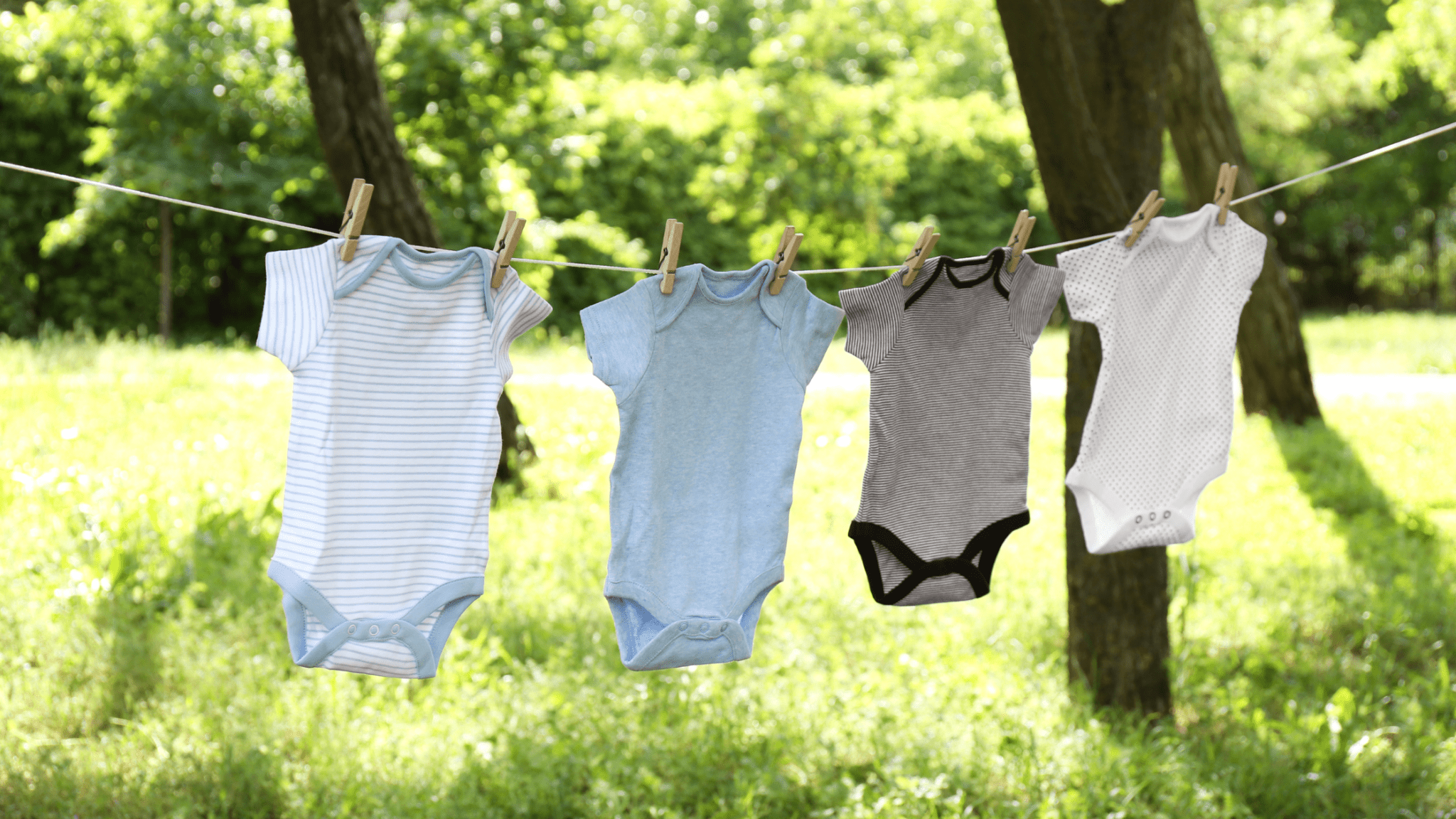
Safer Laundry for Baby Clothes at Home
That tiny stack of onesies can feel surprisingly high stakes. When your baby is new, their skin is still adjusting to the world, and even a basic load of laundry can raise questions about fragrance, residue, and what is actually left behind in the fabric. Safer laundry for baby clothes is less about chasing perfection and more about making a few thoughtful choices that lower exposure without making daily life harder.
The good news is that you do not need a completely separate laundry system or a shelf full of specialty products. In most homes, the biggest difference comes from simplifying what you use, paying attention to fragrance, and rinsing well. Clean living works best when it fits real life.
What safer laundry for baby clothes really means
When parents think about safer laundry, they often picture a product labeled baby or gentle. Sometimes that helps, but the label itself is not the whole story. A detergent can look soft and family-friendly while still relying heavily on synthetic fragrance or ingredients that may irritate sensitive skin.
For baby clothes, safer usually means choosing a detergent with a shorter, clearer ingredient list, avoiding added fragrance when possible, and skipping laundry extras that do more for scent than for cleanliness. It also means remembering that babies do not need heavily perfumed clothes to be clean. In fact, that fresh laundry smell is often exactly what sensitive skin does not need.
There is also a practical side to this. Babies go through a lot of outfit changes, so the safest routine is one you can keep up with consistently. If a laundry routine is too complicated, it tends not to last. A simpler approach is often the better one.
The ingredients and products worth a closer look
If you want safer laundry for baby clothes, start with the products that leave the most residue behind. Detergent is the obvious one, but it is not the only factor.
Fragrance is usually the first place to pay attention. Fragrance blends can contain many undisclosed components, and for babies with eczema, dry patches, or generally reactive skin, scented products can be a common trigger. Unscented is usually the better choice, though it helps to make sure the label truly says unscented rather than masking fragrance.
Fabric softeners and dryer sheets are another area to rethink. They are designed to coat fabric, which is exactly why many clean living households skip them. That coating may add scent and softness, but it can also leave unnecessary residue on items that sit directly against a baby’s skin. If you want softer clothes, a simpler detergent and a good rinse cycle often get you close enough.
Stain removers fall into the it depends category. Babies create very real stains, and sometimes you need a targeted product. The key is to use one with a straightforward ingredient profile and reserve it for spots rather than treating every load like a deep-clean event. Spit-up and milk stains usually respond well to prompt washing, while diaper leaks may need a bit more help.
Bleach can be useful in some households, especially for sanitizing after illness or handling cloth diapers, but it is not something most baby clothes need load after load. Overusing harsh additives can wear down fabric and increase the chance of lingering irritation if items are not rinsed well.
How to build a baby laundry routine that feels easy
The most effective routine is usually also the least fussy. Start by washing new baby clothes before first wear. Fresh-from-the-store fabric may carry finishing agents, dust, or residues from manufacturing and shipping, so a first wash is a simple step that makes sense.
From there, use a fragrance-free detergent and measure it carefully. More detergent does not mean cleaner clothes. In fact, using too much can make it harder for the machine to rinse everything out, which matters when you are trying to reduce residue.
Wash baby clothes in warm or cool water unless the care label or a specific mess calls for something stronger. Hot water has its place, but for everyday baby laundry, it is not always necessary and can be tougher on delicate fabrics. An extra rinse cycle can be a smart move if your baby has very sensitive skin or if your washing machine tends to leave clothes feeling a little soapy.
Drying matters too. If you use a dryer, skip scented dryer sheets. If line drying works for your space and season, that is a lovely option, but it is not required to create a lower-tox laundry routine. Safer choices should support your life, not turn every load into a project.
Should you wash baby clothes separately?
Sometimes yes, sometimes no. If your household already uses a gentle, fragrance-free detergent, washing baby clothes with the rest of the family laundry is often perfectly reasonable. It saves time and keeps the routine manageable.
Separate loads can help if another family member uses heavily fragranced workout gear, stain-heavy work clothes, or anything exposed to strong chemicals. It can also make sense during the newborn stage when you are watching closely for any signs of skin irritation and want to reduce variables.
A good rule is to look at what else is going into the machine. Baby clothes do not necessarily need their own dedicated load, but they do benefit from being kept away from items with strong odors, harsh residues, or rough hardware that can damage soft fabrics.
When skin is extra sensitive
If your baby has eczema, persistent rashes, or skin that seems reactive no matter what you try, laundry is worth evaluating, but it may not be the only cause. Heat, saliva, soaps, fabrics, and even hard water can all play a role.
This is where a stripped-back routine helps. Choose one reliable fragrance-free detergent, skip softeners and scent boosters, wash in a consistent way, and give it a couple of weeks before judging results. Constantly switching products can make it harder to identify what is helping and what is not.
It is also worth looking at the clothes themselves. Soft, breathable fabrics such as cotton are often better tolerated than rough or heavily treated materials. Even the safest detergent cannot fully offset a fabric that traps heat or rubs the skin the wrong way.
Common mistakes that make laundry less safe
One of the biggest mistakes is assuming baby-marketed equals better. Some baby-specific products are thoughtfully made, but others are built around the same old formula with extra scent and softer packaging.
Another common issue is overdoing the extras. Detergent, booster, stain spray, fabric softener, dryer sheets, linen spray - each one adds another layer. If your goal is a calmer, lower-tox home, laundry is one of the easiest places to simplify.
It also helps to be realistic about what clean clothes should feel like. They do not need to smell strongly scented to be fresh, and they do not need a waxy softness to be comfortable. Once you get used to truly clean laundry, the absence of fragrance starts to feel like peace of mind.
A few smart swaps for safer laundry for baby clothes
If you are starting from scratch, keep your changes focused. Swap your regular detergent for a fragrance-free option with a more thoughtful ingredient profile. Remove dryer sheets and fabric softener. Wash new clothes before wear, and use the extra rinse setting if your child’s skin tends to react.
That is enough for most families. You do not need to replace every textile in the nursery or keep a separate basket for every type of baby item. The goal is not a perfect system. It is a trustworthy one.
For parents who are already making more intentional choices in personal care, skincare, and home products, laundry is a natural next step. It supports the same idea we believe in at Free Living Co: a healthier home does not come from doing more research forever. It comes from choosing better essentials and letting those choices make everyday life feel simpler.
How to know your routine is working
You will usually notice a few things quickly. Clothes come out clean without heavy scent. Baby items stay comfortable and soft enough without added coatings. And if your child had mild irritation linked to laundry products, you may see fewer flare-ups over time.
Not every rash is a laundry problem, and not every fragrance-free detergent will work the same way in every machine or water type. That is the trade-off with any home routine. There is some trial and error. But starting with fewer irritants and less residue gives you a strong, sensible baseline.
If you are feeling overwhelmed, remember this: your baby does not need a complicated routine. A gentle detergent, fewer extras, and clean fabrics washed with care are usually more than enough. The calmest systems are often the ones that last, and that consistency matters more than chasing a perfect label.
A good baby laundry routine should do one quiet, useful thing well - help your home feel cleaner, gentler, and easier to trust.




Leave a comment
This site is protected by hCaptcha and the hCaptcha Privacy Policy and Terms of Service apply.