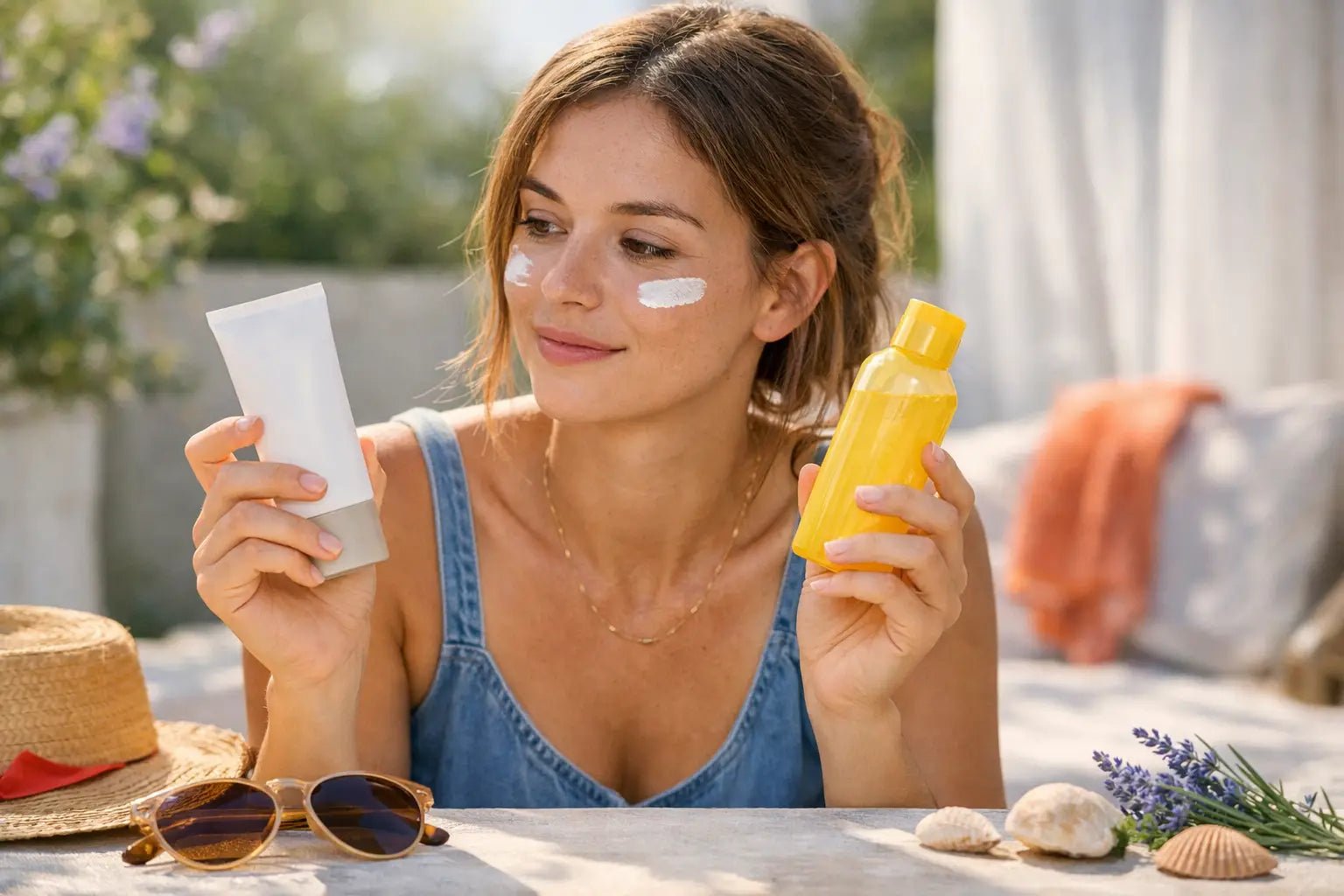
Mineral Sunscreen Versus Chemical Sunscreen
A sunscreen can look perfect on a shelf and still end up untouched in a bathroom drawer. Maybe it leaves a chalky cast, stings around the eyes, pills under makeup, or feels too heavy for a sweaty school drop-off. When it comes to mineral sunscreen versus chemical sunscreen, the best choice is the one you will apply generously, reapply consistently, and feel good using on real-life days.
For clean-minded households, the decision can feel loaded. Ingredient labels are confusing, marketing is louder than ever, and everyone seems to have a strong opinion. The useful truth is simpler: both types can provide meaningful UV protection when they are broad-spectrum, high enough SPF, and used correctly. The differences are worth understanding, especially if you have sensitive skin, melasma, acne, children, or a preference for a more streamlined ingredient approach.
Mineral sunscreen versus chemical sunscreen: the basics
Sunscreens use UV filters to help protect skin from ultraviolet radiation. UVB rays are most closely associated with sunburn, while UVA rays penetrate more deeply and contribute to premature visible aging and uneven pigmentation. Both can damage skin, which is why broad-spectrum coverage matters.
Mineral sunscreens, also called physical sunscreens, use zinc oxide, titanium dioxide, or both as their active UV filters. These minerals sit primarily on the skin’s surface and protect against UV exposure by absorbing it, with some scattering and reflecting as well. The old idea that mineral sunscreen simply creates a mirror-like shield is incomplete, but the practical takeaway remains: zinc oxide and titanium dioxide offer dependable, broad-spectrum protection.
Chemical sunscreens use organic UV filters. Depending on the formula, these may include avobenzone, octocrylene, octisalate, homosalate, octinoxate, oxybenzone, or newer filters available in some markets outside the US. These filters absorb UV energy and convert it into a small amount of heat before it can damage the skin.
Neither category is automatically better in every situation. Formula quality, skin tolerance, application habits, and the specific filters used all shape the answer.
Why many clean-living shoppers choose mineral filters
Mineral sunscreen is often the easiest starting point for people who want fewer active ingredients to evaluate. Zinc oxide and titanium dioxide are widely used, familiar, and especially useful for sensitive skin routines. Zinc oxide is also known for offering strong UVA coverage, which can be valuable for anyone managing hyperpigmentation, melasma, or post-breakout marks.
For babies and young children, mineral formulas are commonly preferred because they tend to be gentle and straightforward. The same can be true for teens whose skin is reactive from acne treatments, and for adults using retinoids, exfoliating acids, or prescription skincare. If sunscreen regularly causes stinging, redness, or watery eyes, a fragrance-free mineral formula is a sensible next try.
There is also the question of ingredient comfort. Some people prefer mineral actives because they want to limit their use of certain chemical filters that have raised questions about environmental impact or systemic absorption. It is fair to want more research and clearer standards. At the same time, detection of a sunscreen ingredient in the body does not, by itself, prove harm. Sunscreen research evolves, and thoughtful choices do not require panic.
The trade-off with mineral sunscreen is wearability. Zinc oxide can leave a white or gray cast, particularly on deeper skin tones, and some formulas can feel thick or dry. Modern tinted mineral sunscreens can help significantly, both by improving cosmetic blend and by adding iron oxides, which may offer extra support against visible light for people prone to pigmentation. Still, shade range and texture matter. A sunscreen that looks ashy or feels unpleasant is less likely to be used as often as it should.
Where chemical sunscreen can make sense
Chemical sunscreen formulas are often lighter, clearer, and easier to blend without a cast. That can make them appealing for daily wear, outdoor exercise, humid climates, and deeper complexions. Many also layer smoothly beneath makeup and are available in water-resistant options that feel less dense than traditional mineral creams.
For someone who has tried mineral sunscreen after mineral sunscreen and cannot find one they will wear, a chemical formula may be the more protective choice in practice. Consistent use matters more than a theoretically perfect product applied once in a while.
The main downside is that some chemical filters can irritate sensitive skin or sting the eyes. Fragrance, essential oils, alcohol, and other supporting ingredients can also be part of the problem, so it is not always the UV filter alone. If a formula causes burning, rashes, or persistent eye irritation, stop using it and choose another option.
People with very reactive skin, rosacea, eczema, or a history of sunscreen sensitivity may find mineral options easier to tolerate. But skin is personal. A patch test and a few days of wear can tell you more than a front-label claim.
How to choose the sunscreen your routine needs
Start with protection, not the marketing category. Look for broad-spectrum coverage and SPF 30 or higher for everyday use. If you will be swimming, sweating, skiing, hiking, or spending long stretches outside, choose a water-resistant formula and reapply as directed on the label.
Then consider your skin and your life. A mineral sunscreen may be your best fit if you are sensitive, using active skincare, choosing for a child, or trying to simplify your ingredient list. A tinted version can be especially helpful if you want less white cast or regularly deal with dark spots.
A chemical sunscreen may suit you if your top priority is an invisible finish, a lightweight feel, or makeup compatibility. It can also be a practical option for teens who are more likely to use sunscreen when it disappears quickly and does not make already-oily skin feel coated.
For acne-prone skin, do not assume mineral always means non-comedogenic or chemical always means pore-clogging. The complete formula matters. Look for a texture that feels comfortable, avoid heavy layers that make you want to skip sunscreen, and introduce new products one at a time. A simple, consistent routine is usually kinder to breakout-prone skin than a complicated rotation of treatments.
The application habit that matters most
Even an excellent sunscreen underperforms when used sparingly. For the face and neck, most adults need roughly two finger lengths of sunscreen, or about one-quarter teaspoon. Apply it as the final step of your morning skincare routine, before makeup. Do not forget the ears, hairline, neck, chest, and backs of the hands.
Reapply at least every two hours during sun exposure and immediately after swimming, toweling off, or heavy sweating. Makeup does not make this impossible, but it does require a plan. A sunscreen stick, cushion, or powder can be convenient for touch-ups, though a generous layer of lotion or cream generally delivers more reliable coverage when you are spending extended time outdoors.
Also remember that sunscreen is one layer of sun care, not a permission slip to stay in intense sun indefinitely. Sunglasses, hats, shade, and protective clothing are especially helpful during long outdoor days and at high elevation, where UV exposure can feel more intense. That is worth keeping in mind for mountain weekends, beach vacations, and everyday errands alike.
A calmer way to make the choice
You do not need to turn sunscreen into another source of decision fatigue. Choose a broad-spectrum SPF 30 or higher formula that suits your skin, your values, and the way you actually move through the day. If mineral sunscreen feels good and works with your routine, it is a beautiful everyday option. If a chemical formula is what you will apply generously and reapply without hesitation, that consistency has real value too.
At Free Living Co, we believe clean living for real life leaves room for informed choices, not perfection. The sunscreen you enjoy wearing is the one that can become a quiet, protective part of your morning - and that is a habit your skin will thank you for over time.



Leave a comment
This site is protected by hCaptcha and the hCaptcha Privacy Policy and Terms of Service apply.