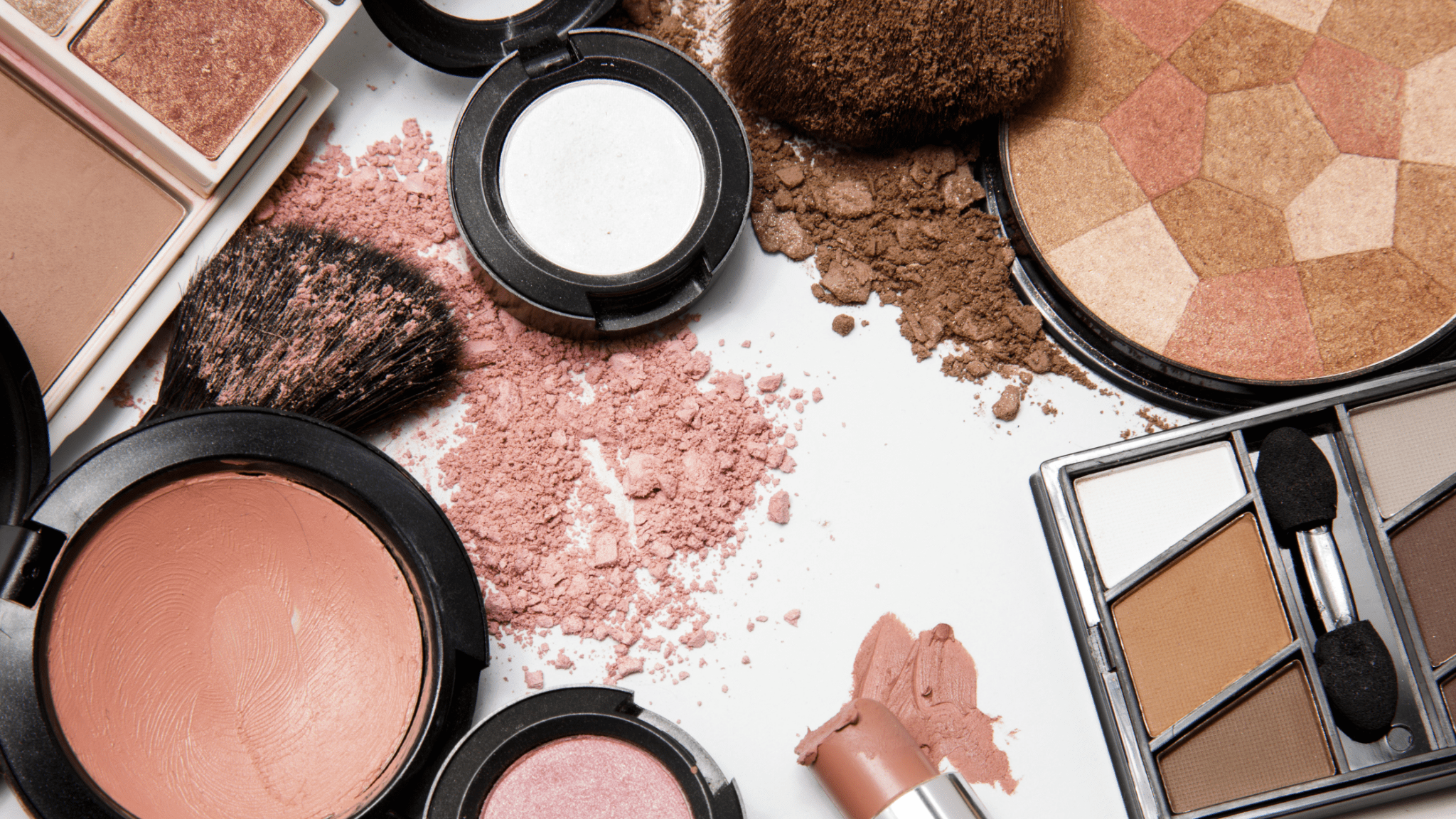
How to Switch to Cleaner Makeup
The moment most people decide to change their makeup routine is not glamorous. It usually happens while reading a label with fifteen unpronounceable ingredients, reacting to a product that used to work fine, or realizing the “clean” section at a beauty store is somehow just as confusing as everything else. If you’re wondering how to switch to cleaner makeup, the good news is this: you do not need to throw everything away and start over tonight.
A better approach is slower, smarter, and much more sustainable. Cleaner makeup works best when you treat it like a thoughtful edit, not a dramatic reset. That means keeping what still serves you, replacing what doesn’t, and focusing first on the products you use most often and closest to the skin.
How to switch to cleaner makeup without overwhelm
The biggest mistake people make is assuming cleaner makeup has to happen all at once. That usually leads to overspending, second-guessing, and a bathroom full of products that looked promising but were never quite right.
Start with your daily routine. Look at what you wear most consistently, not what sits untouched in a drawer for special occasions. For most people, that means foundation or skin tint, concealer, mascara, blush, lip products, and maybe a brow product. Those are the categories that deserve your attention first because they make up the core of your routine.
From there, prioritize by frequency and sensitivity. A lipstick you wear once a month can wait. A mascara that sits near your eyes every day should move up the list. The same goes for complexion products if you have sensitive, acne-prone, or reactive skin.
Cleaner makeup is also not one-size-fits-all. Some formulas perform beautifully on dry skin and fall short on oily skin. Some “natural” products still contain ingredients your skin doesn’t love. The goal is not perfection. It’s a routine that feels safer, works well, and supports your real life.
Start by replacing the products that matter most
If you want the simplest path, begin with three categories: complexion, lips, and eyes. Those products tend to be used regularly and in areas where many people prefer more intentional ingredient choices.
Complexion products matter because they cover a larger surface area and often stay on for hours. If you wear foundation, skin tint, concealer, or cream bronzer most days, replacing one of those first makes sense. This is also where performance matters a lot. A cleaner formula should still blend well, wear comfortably, and suit your finish preferences. If a product makes your skin look flat, patchy, or overly dewy by noon, it is not the right fit just because the ingredient list looks better.
Lip products are another smart place to start because they are reapplied often and wear away throughout the day. A clean lipstick, balm, or gloss swap can feel easy and immediately useful.
Eye products deserve attention too, especially mascara and eyeliner. The eye area is delicate, and many people notice irritation, watering, or sensitivity with conventional formulas long before they think about changing anything.
If budget is a concern, replace products as they run out. That keeps the transition practical and removes the pressure to build a whole new makeup bag in one purchase.
What cleaner makeup actually means
One reason this category feels so confusing is that “clean” is not regulated in a way that gives shoppers one universal standard. One brand’s version of clean may be far more rigorous than another’s. That is why so many people feel stuck doing hours of research and still not fully trusting what they find.
In practical terms, cleaner makeup usually means products made without certain ingredients many shoppers prefer to avoid, such as parabens, phthalates, PFAS, synthetic fragrance, or other ingredients linked to irritation or health concerns. It also often means better transparency, more thoughtful sourcing, and formulas designed with both safety and performance in mind.
That said, cleaner does not automatically mean allergy-friendly, non-comedogenic, or perfect for every skin type. Essential oils, botanical extracts, and pigments can still cause reactions in some people. If your skin is sensitive, patch testing matters just as much as ingredient philosophy.
The most helpful mindset is this: look for brands with clear standards, not trendy claims. Trust is built through consistency, not buzzwords.
How to read labels without spiraling
You do not need to become a cosmetic chemist to make better choices. What you need is a simple filter.
First, scan for broad red flags you already know you want to avoid. For many shoppers, that includes synthetic fragrance in leave-on products, certain preservatives, and ingredients that have previously triggered breakouts or irritation.
Second, pay attention to where the product sits on your face and how often you use it. A powder highlighter used twice a month does not deserve the same scrutiny as a liquid foundation worn five days a week.
Third, notice the full formula, not just the front label. “Natural,” “green,” and “plant-based” can sound reassuring while telling you very little. A product earns trust through its ingredient list, formula quality, and the standards behind it.
If labels tend to send you into research mode for forty-five minutes, that is usually a sign you need better curation, not more tabs open on your phone.
Expect a little trial and error
This is the part nobody loves, but it helps to say it plainly: not every cleaner makeup formula will outperform your old favorite on the first try.
Mascara is a common example. Some cleaner mascaras define beautifully but do not deliver the same dramatic volume or all-day wear as conventional ones. Foundation can be similar. You may find a cleaner skin tint that gives your skin a healthier look but less full coverage than what you wore before.
That does not mean cleaner makeup does not work. It means you may need to adjust your expectations by category. In many cases, the best swap is not a perfect replica of your old product. It is a version that performs well enough, feels better on your skin, and aligns more closely with your standards.
Sometimes the switch even improves your routine. Many people find that cleaner cream blushes, tinted balms, and skin tints create a fresher, more natural finish and simplify how much they use each day.
How to build a routine you’ll actually keep
The most successful clean beauty routines are usually the simplest ones. A few products you trust and enjoy will always serve you better than a dozen “better-for-you” items you never reach for.
Think in terms of function. You need something to even tone, something to brighten or add color, something for eyes, and something for lips. Start there. Once those basics feel solid, you can add the extras if they matter to you.
It also helps to pay attention to why you wear makeup in the first place. If you want quick polish before school drop-off or a work meeting, you probably do not need a 10-step routine. If your goal is covering acne while keeping sensitive skin calm, your priorities will look different than someone who mostly wants glow and minimal coverage.
This is where a curated approach matters. Instead of sorting through endless options, it helps to shop from a retailer or brand with a clear point of view and standards you trust. That removes much of the guesswork and lets you focus on fit, not fear.
A few signs it may be time to switch sooner
If a product regularly stings, breaks you out, gives you headaches, or leaves your skin feeling congested, you do not need to force yourself to finish it. The same goes for old makeup that smells off, separates strangely, or no longer performs the way it used to.
Cleaner swaps are also worth prioritizing if you are pregnant, managing hormonal skin changes, navigating teen skin concerns, or trying to reduce overall chemical load in your household. Those moments often make people more aware of what is in the products they use every day.
For younger users, especially teens just building a routine, simpler is usually better. A small, thoughtfully chosen makeup lineup tends to be easier on skin and easier to maintain. That same principle often applies to adults too.
How to switch to cleaner makeup and stay confident in your choices
The goal is not to create anxiety around every ingredient or make makeup feel complicated. The goal is to feel good about what you use and to trust that your routine reflects your standards.
A cleaner makeup transition should leave you feeling calmer, not more burdened. Choose one category to replace. Wear it long enough to know how it performs. Notice how your skin responds. Then move to the next thing.
That pace may not be flashy, but it is realistic. And realistic is what makes clean living stick.
If you want your makeup bag to feel more aligned with your health values, your skin’s needs, and your everyday life, start with one thoughtful swap and let that be enough for now.




Leave a comment
This site is protected by hCaptcha and the hCaptcha Privacy Policy and Terms of Service apply.