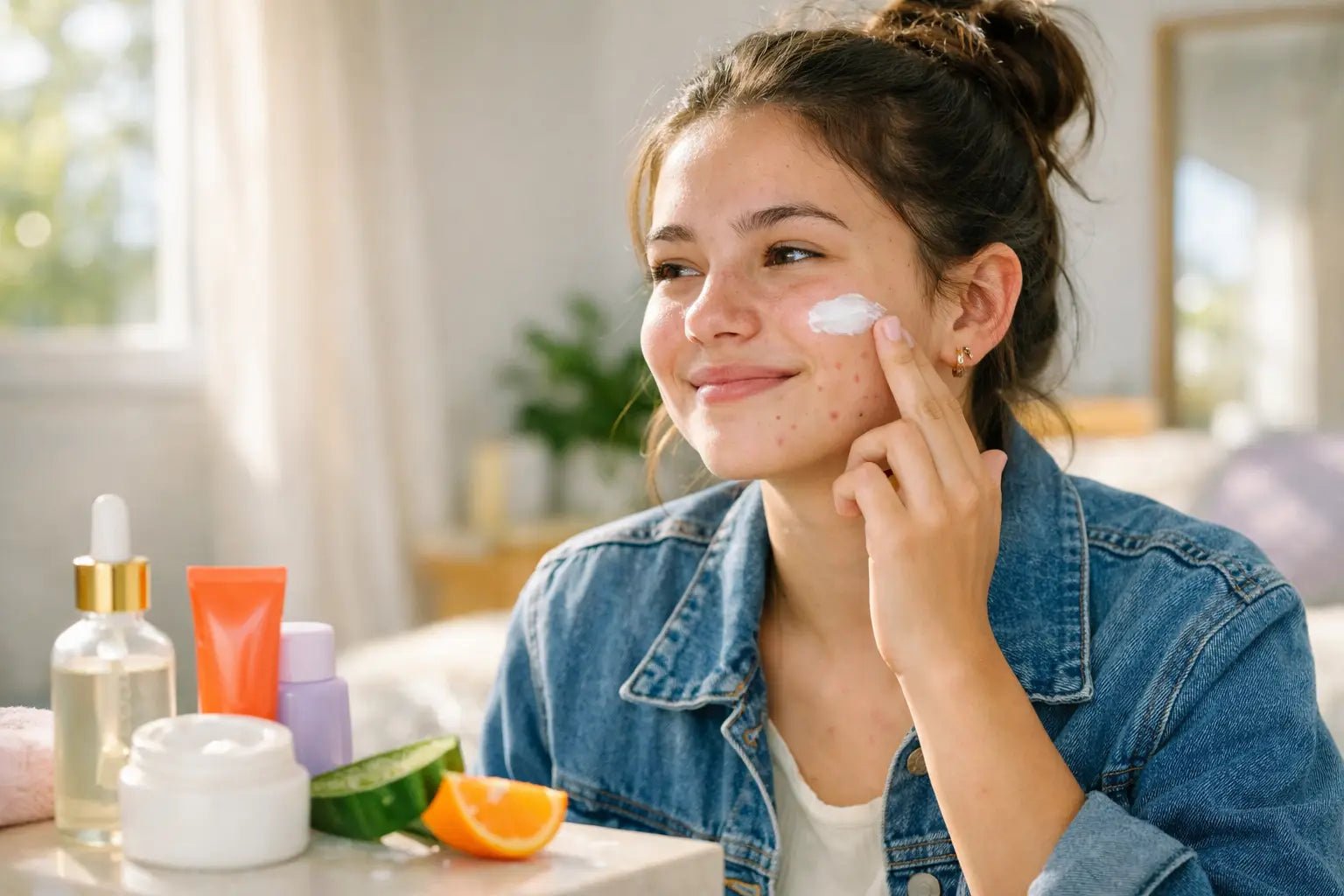
A Guide to Teen Acne Ingredients That Work
A teenager can have oily skin by lunchtime and dry, irritated patches by bedtime. That is why a good guide to teen acne ingredients should not promise a one-product fix. The goal is to understand what is causing the breakouts, choose a few well-matched ingredients, and give the routine enough time to work.
For many families, acne care also brings a second layer of questions: Is this ingredient too harsh? Is it necessary? Can a formula be effective while still fitting into a more thoughtful, lower-toxin routine? The answer is usually found in balance. Acne needs treatment, but skin still needs its protective barrier, comfort, and consistency.
Why teen acne needs a different approach
Teen acne is often driven by changing hormones, which can increase oil production and make pores more likely to clog. Sweat from sports, hair products, makeup, stress, menstrual cycles, and the simple habit of touching the face can all add to the picture. It is not a hygiene failure, and aggressive cleansing rarely makes it better.
The most common mistake is treating every blemish as though it needs to be dried out. When skin is stripped, it can feel tight, sting when products are applied, and sometimes produce more oil in response. A better routine is steady and uncomplicated: cleanse gently, use one targeted treatment at a time, moisturize, and wear sunscreen during the day.
Results also take patience. Most acne ingredients need six to eight weeks of consistent use before you can fairly judge them. Switching products every few days can create irritation and make it difficult to know what is helping.
Guide to teen acne ingredients: what actually helps
Salicylic acid for clogged pores and blackheads
Salicylic acid is a beta hydroxy acid, or BHA. Because it is oil-soluble, it can move into pores and help loosen the mix of oil and dead skin cells that leads to blackheads, whiteheads, and small bumps.
It is often a smart starting point for teens with congested skin, especially across the forehead, nose, and chin. A salicylic acid cleanser can be a gentle entry point because it is rinsed off. A leave-on serum or treatment may be more effective for stubborn congestion, but it should be introduced slowly, perhaps two or three nights a week.
More is not always better. If skin becomes flaky, tight, or sore, reduce frequency rather than adding another exfoliating product.
Benzoyl peroxide for inflamed breakouts
Benzoyl peroxide is one of the most established over-the-counter ingredients for red, angry pimples. It helps reduce acne-causing bacteria and can be particularly useful for inflammatory breakouts on the face, chest, or back.
Lower strengths are often easier to tolerate and can be just as useful when used consistently. A wash is practical for body acne and may be less irritating than a leave-on treatment. Keep in mind that benzoyl peroxide can bleach towels, pillowcases, and clothing, so let it dry completely before getting dressed or going to bed.
Because it can be drying, pair it with a simple moisturizer. Avoid layering it immediately with several other active ingredients until the skin has adjusted.
Adapalene for recurring acne patterns
Adapalene is an over-the-counter retinoid that helps normalize how skin cells turn over inside pores. It can be especially helpful for teens who deal with frequent whiteheads, blackheads, and breakouts that seem to return in the same areas.
This ingredient is effective, but it asks for a measured approach. Use a pea-sized amount over the full acne-prone area, not just on individual spots, and begin two or three nights weekly. Mild dryness or temporary purging can happen early on, but burning, significant swelling, or a rash are signs to pause and seek professional guidance.
Daily sunscreen matters when using adapalene. A teen should also check with a dermatologist or healthcare provider before using retinoids if they are pregnant, trying to conceive, or have highly reactive skin.
Azelaic acid for sensitive, blemish-prone skin
Azelaic acid is a particularly helpful option when acne comes with redness, post-breakout marks, or sensitivity. It supports clearer pores, has anti-inflammatory properties, and is generally well tolerated by many skin types.
It may not give the fastest result for a large, painful breakout, but it can be a beautiful choice for the teen whose skin becomes easily irritated by stronger acids or benzoyl peroxide. It also works well as part of a long-term routine focused on calm, even-looking skin.
Sulfur for occasional spot treatment
Sulfur can absorb excess oil and help calm individual blemishes. It is often best used as a spot treatment or a short-contact mask rather than as the centerpiece of a full routine. Its scent is not for everyone, but for an occasional swollen pimple, it can be a useful, simple option.
Ingredients and habits to approach with care
A clean label does not automatically mean a product is right for acne, just as a conventional active ingredient is not automatically too harsh. The formula, concentration, frequency of use, and individual skin response all matter.
Physical scrubs with rough particles can create tiny irritations on already inflamed skin. Strong astringents and high amounts of drying alcohol can also leave skin uncomfortable and compromised, particularly when paired with acne treatments. Fragrance is another consideration for teens with sensitive or reactive skin. It is not the cause of every breakout, but minimizing unnecessary fragrance can make a routine easier to tolerate.
Heavy, rich products are not universally bad either. Dry or eczema-prone skin may genuinely need more nourishment. For a teen with easily clogged pores, though, look for lightweight, non-comedogenic moisturizers and avoid applying thick hair oils or pomades near the hairline and forehead.
Build a routine your teen will actually use
The best routine is often the one that fits between an early school morning, practice, homework, and sleep. Keep the number of steps low enough that it feels manageable.
In the morning, cleanse if needed, apply a lightweight moisturizer, and finish with broad-spectrum sunscreen. If a treatment is being used in the morning, azelaic acid is often an easy option for many skin types.
At night, use a gentle cleanser to remove sunscreen, makeup, sweat, and daily buildup. Then apply one active treatment: salicylic acid, benzoyl peroxide, adapalene, or azelaic acid, depending on the main concern. Follow with moisturizer. If the teen is new to active ingredients, start with just one and use it a few nights per week.
This is also where a thoughtfully curated collection can save a lot of guesswork. Live Free Skincare is designed with blemish-prone and sensitive skin in mind, making it easier to build a routine without piling on products that compete with one another.
When it is time to see a dermatologist
At-home care can be very effective for mild to moderate acne, but some situations deserve professional support. Deep, painful cysts, scarring, widespread body acne, or acne that affects a teen's confidence and daily life are all good reasons to schedule a dermatology visit.
A dermatologist can help identify whether breakouts are hormonal, fungal, medication-related, or connected to another skin condition. They can also prescribe treatments that are not available over the counter. Getting help early is not overreacting. It is a practical way to protect both skin and self-esteem.
Clearer skin rarely comes from doing more. It comes from choosing a few appropriate ingredients, using them consistently, and letting the routine be gentle enough to last. That is clean living for real life: fewer decisions, more care, and a little more room for a teen to feel like themselves.


Leave a comment
This site is protected by hCaptcha and the hCaptcha Privacy Policy and Terms of Service apply.