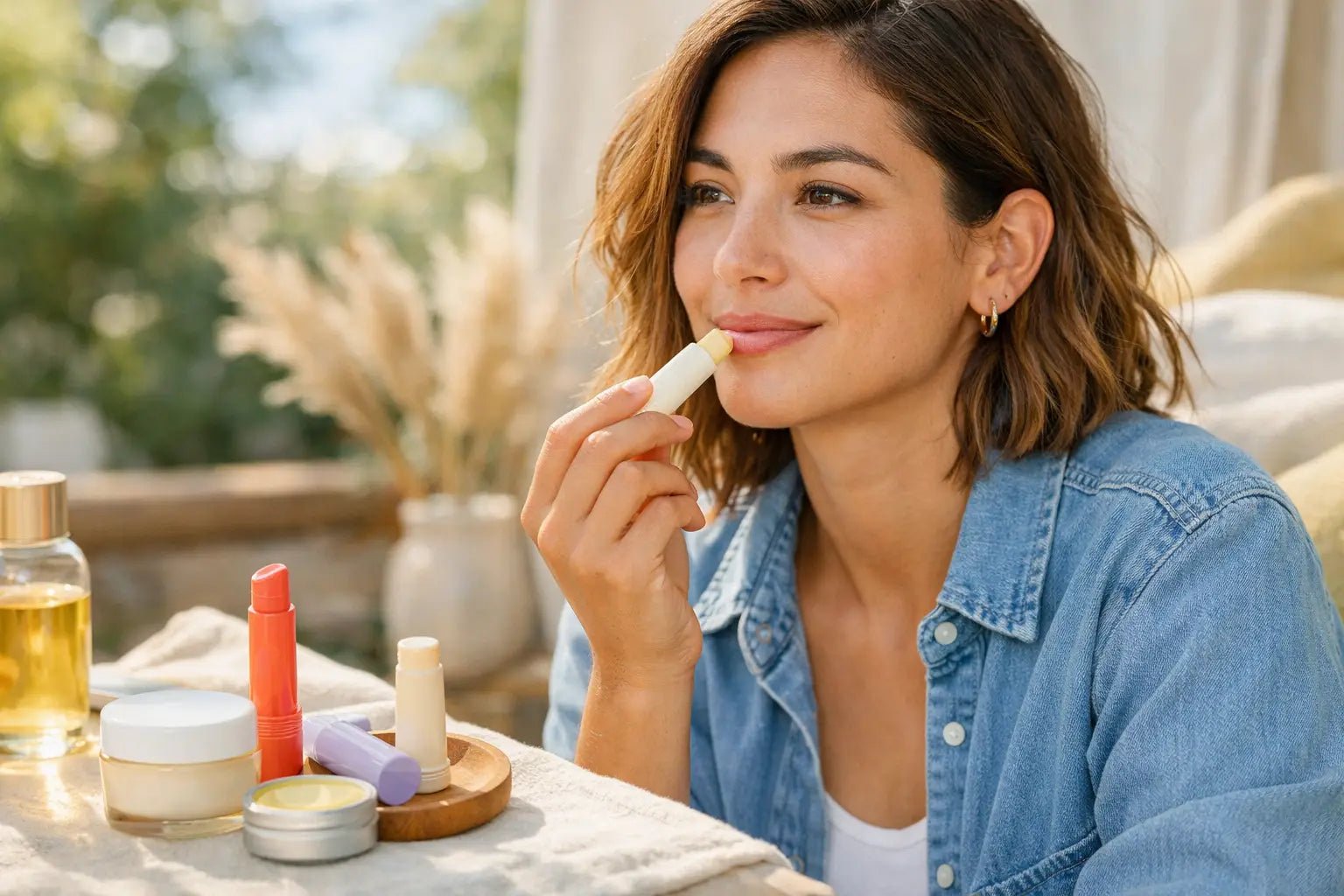
12 Best Non Toxic Lip Balms to Try
Lip balm seems simple until you flip the tube over and realize the ingredient list reads like a chemistry quiz. If you’ve been trying to find the best non toxic lip balms, the real challenge usually isn’t picking a flavor or finish - it’s figuring out which formulas actually support your lips without unnecessary ingredients, irritants, or greenwashed claims.
That matters more than most people realize. Lip products sit on one of the most absorbent areas of the face, and they’re products we reapply all day long. A good balm should do two things well: protect the skin barrier and make daily use feel easy. It should not leave you stuck in a cycle where your lips feel better for 20 minutes and worse by the end of the day.
What makes a lip balm non-toxic?
In clean beauty, “non-toxic” is often used loosely, so it helps to ground the term in something practical. A non-toxic lip balm is generally one made without ingredients that raise common health or irritation concerns, especially in a product meant for frequent use. That often means avoiding petroleum-derived ingredients if you prefer plant-based alternatives, steering clear of synthetic fragrance, and being mindful of dyes, undisclosed flavor blends, and preservatives that can be sensitizing for some people.
It also means looking beyond marketing. “Natural” is not the same as thoughtfully formulated. Essential oils, for example, can sound appealing but may be too stimulating for chronically dry or sensitive lips. Peppermint, cinnamon, and citrus can create that tingly, fresh feeling people associate with effectiveness, but on compromised skin, they can be part of the problem.
The best formulas tend to be simple, barrier-supportive, and consistent. Think nourishing oils, rich butters, waxes that seal in moisture, and a texture you’ll actually want to use.
How to spot the best non toxic lip balms
If you want a lip balm that earns a place in your bag, car, bathroom drawer, and nightstand, pay attention to how it’s built. The best non toxic lip balms usually rely on a combination of emollients, occlusives, and soothing ingredients rather than one hero ingredient doing all the work.
Emollients soften the lips. Ingredients like jojoba oil, sunflower seed oil, coconut oil, and shea butter help smooth rough texture and relieve that tight, flaky feeling. Occlusives create a protective seal to slow moisture loss. In cleaner formulas, this might come from beeswax, candelilla wax, or cocoa butter instead of petroleum jelly. Then there are supportive extras like calendula, vitamin E, or oat-derived ingredients that can help comfort stressed skin.
Texture matters too. A balm that’s too thin may feel nice at first but disappear quickly. One that’s too hard can drag across already irritated lips. The sweet spot is usually a formula that glides on easily, stays put, and leaves a soft protective layer without feeling sticky or greasy.
Ingredients that can keep lips irritated
If you feel like you’re constantly reapplying lip balm and never getting ahead of the dryness, the formula may be working against you. A few common ingredients deserve extra scrutiny.
Synthetic fragrance is a big one. Lips are sensitive, and fragrance can be a trigger even when the rest of your skin seems fine. Strong flavoring agents can create a similar issue, especially mint and cinnamon. Menthol, camphor, and phenol are also worth avoiding if your lips are already chapped. They can feel soothing in the moment, but for many people they prolong irritation.
Another issue is over-exfoliating products marketed as treatment balms. If your lips are peeling, it’s tempting to reach for acids, scrubs, or active ingredients. Usually, your lips need repair more than resurfacing. A calm, protective formula often does more good than anything intense.
The types of lip balms worth considering
Not every great lip balm looks the same, and your best match depends on how and when you use it. Sticks are the easiest for everyday reapplication and tend to work well for people who want something low-mess and portable. Pots and thicker salves are often better at night, when you want a richer layer that stays on longer. Gloss-balm hybrids can be a good fit if you want moisture and a polished finish, but they should still be judged by formula first, shine second.
Tinted balms can also be a smart swap. If you wear lip color often, switching to a clean, nourishing tinted balm can reduce the number of products in your routine while keeping lips more comfortable. Just keep in mind that pigments and added flavor can make some tinted formulas less ideal for highly reactive skin.
How to choose the right balm for your lips
Dry lips are not all dry for the same reason. Weather, dehydration, mouth breathing, sun exposure, prescription actives, and irritation from toothpaste can all play a role. That’s why the best non toxic lip balms for one person may not be the best choice for someone else.
If your lips are mildly dry, a daily stick balm with oils, butter, and wax may be enough. If they’re cracked or seasonally wrecked, a thicker overnight balm with fewer ingredients is often a better bet. If you’re sensitive, choose an unscented formula first. Even ingredients that are considered clean can be too much when your skin barrier is already stressed.
For kids and teens, simpler is usually better. A straightforward balm without strong flavor, shimmer, or plumping ingredients is easier to tolerate and easier to reapply consistently. For anyone spending time outdoors, lip SPF matters too, though the cleanest-feeling formula is still the one you’ll remember to use.
What to look for on the label
You do not need to decode every ingredient list from scratch each time. A few filters can save a lot of decision fatigue.
Start with the first five ingredients. They tell you most of what you need to know because they make up the bulk of the formula. Look for plant oils, butters, and waxes you recognize. If fragrance shows up high on the list, or if the formula leans heavily on cooling or plumping agents, that’s a sign to pause.
It’s also helpful to notice whether a product clearly says unscented or only says natural flavor. “Natural” can still mean irritating, depending on the source. Packaging matters too. A jar can be lovely at home, but a tube may be more practical and hygienic for daily use.
This is where thoughtful curation makes a difference. At Free Living Co, we do the filtering so you can spend less time cross-checking labels and more time finding products that work in real life.
Why some clean lip balms still disappoint
A lip balm can have a beautiful ingredient deck and still fall short. Sometimes the issue is performance. Plant oils alone may not provide enough lasting protection in a dry climate or during winter. Other times the problem is that a formula tries to do too much - scent, shine, tint, plumping, treatment - and ends up less supportive for everyday barrier care.
There’s also personal preference. Some people love the cushion of castor oil. Others find it too glossy. Beeswax gives structure and staying power, while vegan waxes can feel smoother or lighter depending on the blend. Neither is automatically better. It depends on what feels comfortable enough to use consistently.
That is the real test. The best balm is not just clean on paper. It’s the one you reach for without thinking because it feels good, helps your lips stay calm, and fits your routine.
A simple routine for healthier lips
If your lips are stuck in a dry cycle, simplify for a week. Use a gentle, non-irritating balm during the day and apply a thicker layer before bed. Avoid licking your lips, skip lip scrubs, and pay attention to toothpaste or actives that may be migrating onto the lip area. If you use retinoids or exfoliating acids on the face, keeping a little buffer of balm around the lip line can help prevent collateral dryness.
And be patient. Lips heal quickly compared to other skin, but they also get exposed to a lot - weather, food, talking, saliva, and constant wiping. A steady routine with a truly supportive balm usually works better than rotating through five half-finished tubes.
The best non toxic lip balms are the ones you can trust
When you’re shopping for lip balm, clean ingredients are only part of the picture. You want a formula that respects sensitive skin, performs well in everyday life, and doesn’t ask you to become your own full-time ingredient investigator. That’s why the best non toxic lip balms tend to be the simplest ones: fewer irritants, better barrier support, and a texture that makes regular use feel natural.
If your current balm leaves your lips dependent, shiny but still dry, or stinging for no clear reason, it may be time for a smarter swap. Your lips do not need more drama. They need steady care, good ingredients, and a formula that quietly does its job every day.


Leave a comment
This site is protected by hCaptcha and the hCaptcha Privacy Policy and Terms of Service apply.